
PHOTO
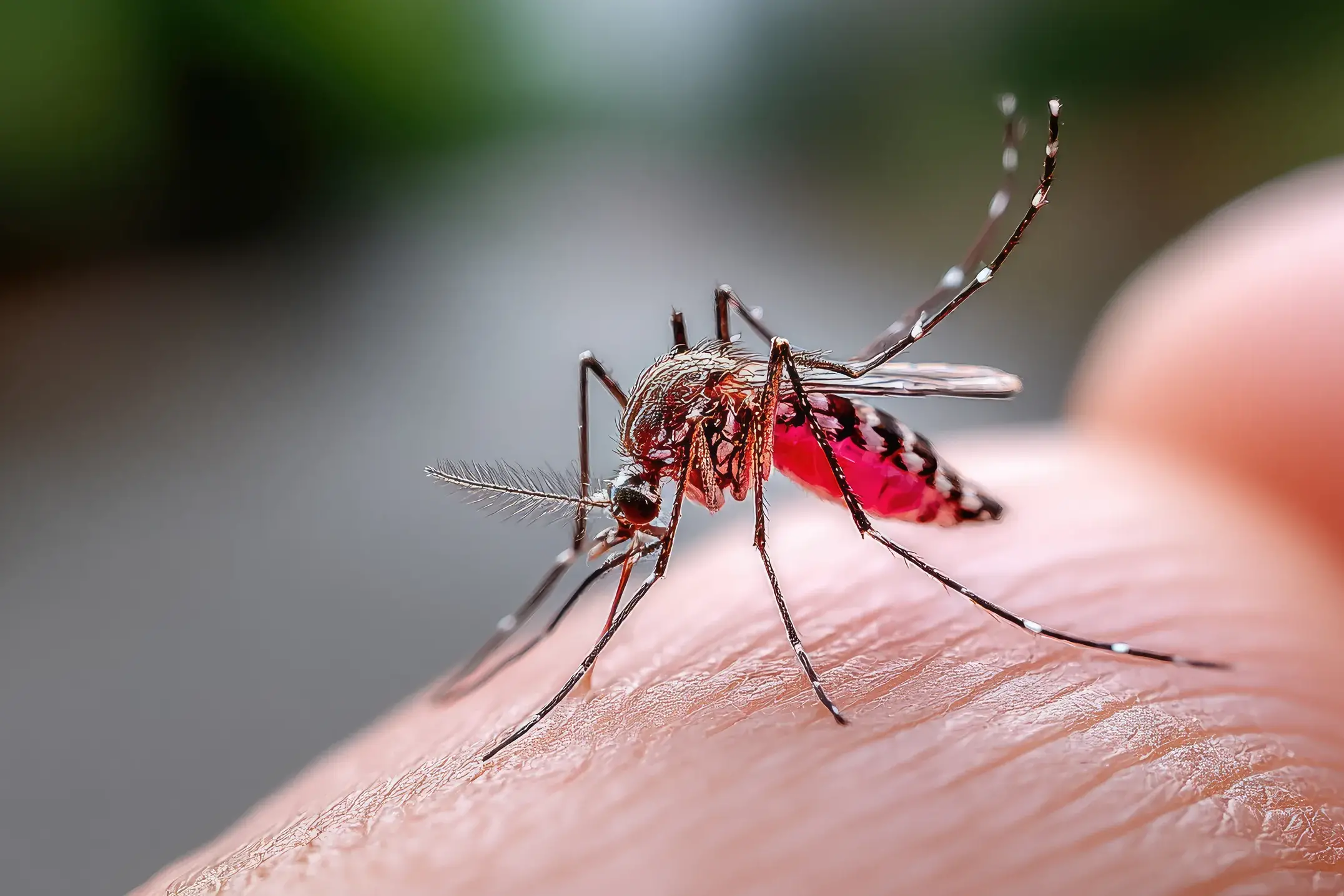
NSW Health is urging residents to protect themselves from mosquito bites after Kunjin virus, a mosquito borne virus, was detected locally in a sentinel chicken sample collected on 20 November.
The virus can cause fever, enlarged lymph nodes, rash, swollen and aching joints, headache, muscle weakness, fatigue, and serious neurological illness.
The detection, part of NSW Health’s routine surveillance program, marks an early start to virus activity in the region this summer.
Kunjin virus is a subtype of West Nile virus and is endemic to parts of Australia, but health authorities say early season detections in places like Cowra are a warning sign that mosquito populations are becoming active sooner than expected.
NSW Health’s director of health protection, Dr Stephen Conaty, said the Cowra detection is significant and a reminder for the community to take simple precautions outdoors.
“Mosquito numbers will likely increase with warmer weather and we remind everyone in NSW to protect themselves against mosquito bites, which can cause diseases such as Japanese Encephalitis and Murray Valley Encephalitis, and infection with Kunjin virus, Ross River virus and Barmah Forest virus,” he said.
Unlike Japanese Encephalitis, there is no vaccine for Kunjin virus, making bite prevention particularly important for communities in the Central West.
While most Kunjin infections in humans cause mild or no symptoms, the virus can occasionally lead to serious brain inflammation.
The detection in Cowra came through NSW’s sentinel chicken program, where samples are tested regularly to track mosquito borne viruses.
The program is designed to provide early warning for communities before widespread mosquito activity begins.
This detection places Cowra among the areas that NSW Health is watching closely this season.
Residents are being urged to take extra care between dusk and dawn, when mosquitoes are most active.
The NSW Department of Primary Industries and Regional Development highlighted that Kunjin virus primarily affects horses, though humans can also be infected through mosquito bites.
“Kunjin virus is endemic to parts of Australia and has been present for many years and is only rarely linked to human illness,” A DPIRD spokesperson said.
“In Australia, the disease has been confirmed only for horses and in 2011 the Kunjin virus caused an outbreak of neurological disease in horses in south eastern Australia.”
They warned horse owners in Cowra to remain alert for symptoms.
“It presents primarily as neurological signs, including depression, circling, stumbling, a wobbly gait or incoordination, fever and not eating,” the spokesperson said.
“Kunjin virus infection can present similarly to Hendra virus, so horse owners should avoid contact with their horses and contact a vet if they are showing these signs.”
The spokesperson said mosquito protection for animals is the best defence, recommending stabling horses at night, using mosquito-proof screens, reducing standing water, turning off lights that attract insects, and using approved repellents such as DEET.
Because there is no vaccine and no specific treatment for Kunjin virus, the most important step is avoiding mosquito bites.
NSW Health advises residents to:
* apply insect repellent containing DEET, picaridin or oil of lemon eucalyptus;
* wear loose, long-sleeved clothing outdoors;
* avoid being outside at dawn and dusk;
* use mosquito coils, sprays and vapour units in outdoor areas;
* keep screens on windows and doors in good condition;
* remove water-holding items like tyres, buckets and pots that allow mosquitoes to breed; and
* use child safe repellents for children and mosquito nets for infants.
Mosquito borne diseases cannot spread from person to person or from infected animals to humans directly.
The detection of Kunjin virus in Cowra acts as an early warning for the community as summer begins.
Authorities say ongoing warm weather and expected rises in mosquito numbers will increase risk over the coming months.
Residents, horse owners and travellers passing through the Cowra region are being encouraged to follow prevention advice and stay informed as surveillance continues.
Further information on Kunjin virus, mosquito bite prevention, and JE vaccination eligibility is available at health.nsw.gov.au/mosquitoes