
PHOTO
*Copy_Cabonne budget_Image001_56504
Repayment for flood repairs – through insurance and government grants – has Cabonne Council's budget result looking solid.
The council recorded a $14.17 million surplus for 2024 / 2025, particularly thanks to an insurance payment and government grants covering natural disaster works the council had completed after the devastating 2022 floods.
But the council is cautioning it’s a one-off result, and has backed calls for further federal support to deliver local services.
“There is still a huge underlying financial concern for local government across NSW and Cabonne is not immune to that unfortunately,” Deputy Mayor Jamie Jones said.
“As a council we look at our financial assistance grants through the federal government, they’ve decreased to .6 of GDP. They used to be one per cent.”
Rate capping limits how the council can increase its income but does not cap the costs of wages, fuel, materials and machinery they need.
“The other big thing for councils is cost-shifting that’s really hitting our bottom lines and that’s because on average, through things like the emergency services levy, the new cemetery and crematorium levy, approximately $497 of every ratepayer’s rates is straight from council back to the state government,” Cr Jones said.
For Cabonne Council, nearly two-thirds of the average residential rate now goes toward covering State-imposed costs.
It was one of the key issues the council took to communities as they visited to talk through the Cabonne Future Ready Program.
“We have been out recently throughout October speaking with our communities about where we are financially and where we are in terms of projects we need to roll out,” Cr Jones said.
“Weighing up, looking at what services we are currently providing, how we can provide them more efficiently and effectively, what services the community really value, what services the council can look at that’s not core business but at the end of the day all that leads to trying to position ourselves for long-term financial sustainability.”
Flood repairs continue, three years on
The lengthy work to repair flood damage does continue.
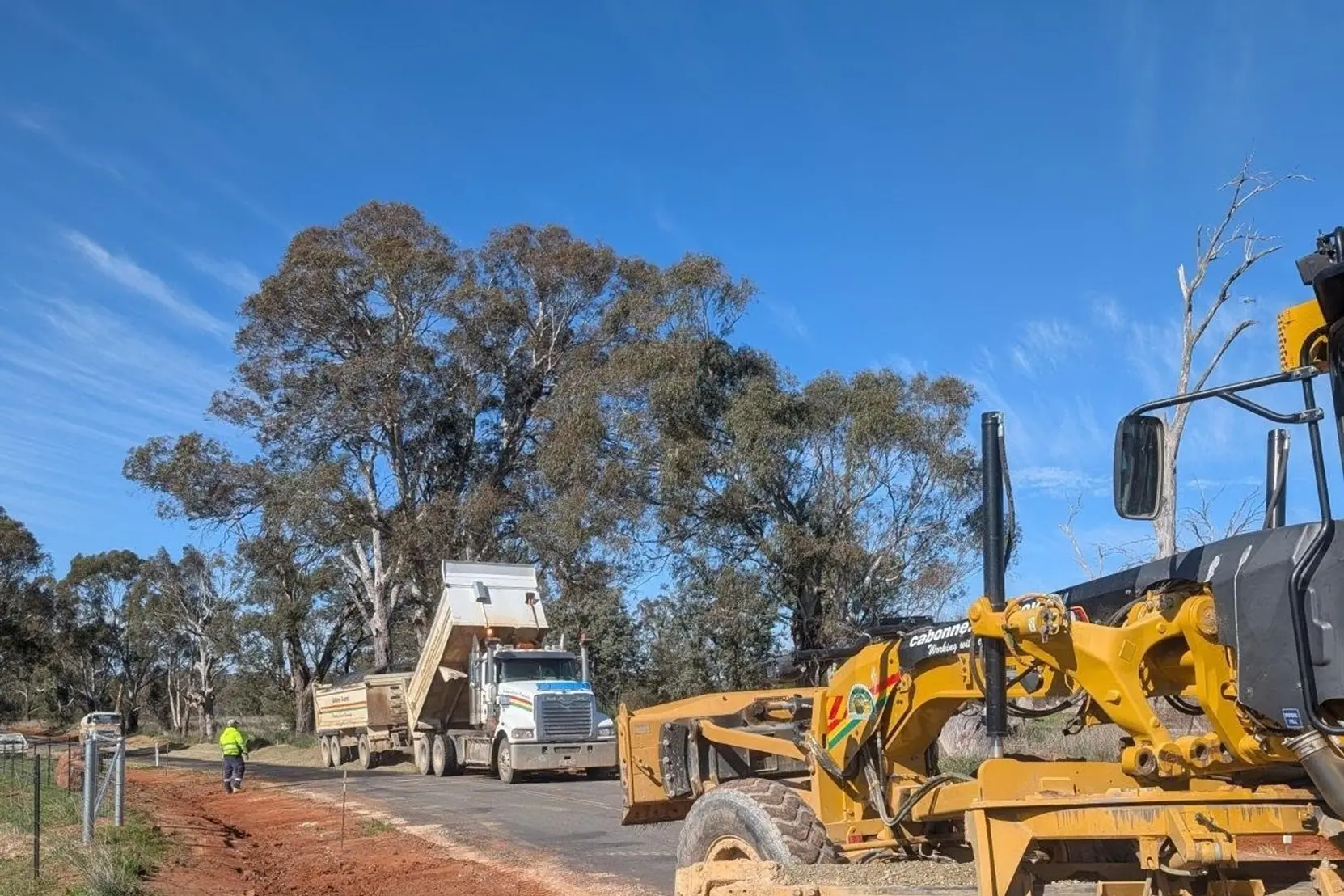
Cabonne Council delivered about $25.6 million in capital works last year across roads, bridges, water, sewer and community assets.
Council has completed $13 million in road pavement repairs in the original funding, and approximately $6.4 million of bridges replacement and repairs currently underway, or in the process of being arranged, with work active under the Disaster Recovery Funding Arrangements and through the Regional Transport Resilience Fund.
Works planned for next year include Edward Street Bridge, Cudal, Baghdad Road Bridge, Cargo, Ophir Road Fourth Crossing, and Manildra Footbridge, which have all received betterment funding to make them more resilient.
Work on the Cudal footbridge is also planned.
There is another $3.62 million allocated bridges and causeways, with causeway work to be scheduled in 2026.
Council also has another $1.4 million of approved road repairs to still to undertake.
Inquiry to resume as Feds acknowledge pressures
The issue is one the Federal Government has agreed to look at, reopening an inquiry into the financial sustainability of the local government sector that lapsed in May when the 47thParliament of Australia was dissolved.
Minister for Regional Development and Local Government, Kristy McBain MP, said it fulfilled a commitment.
“I’ve spoken to more than 300 mayors and CEOs over the last term of government,” Minister McBain said.
“They have all been very clear they wanted this inquiry to continue. I am delighted to be able to confirm that.”
This Inquiry will provide another opportunity for all perspectives on issues including worker security, financial sustainability and cost shifting to be heard.
In the last term of Parliament, the Committee heard from more than 280 stakeholders through written submissions and held 16 public hearings.
An interim report published in February acknowledged the role of local governments has expanded, but their funding and ability to raise revenue had deteriorated in the face of rising service delivery obligations.
The Inquiry will now reconvene to assess these observations and more, and provide final recommendations to government. The Terms of Reference for this Inquiry have a sharper focus on the financial sustainability of local governments, including the interactions between levels of governments, funding sources and the impact and effectiveness of that funding.
Cabonne isn't alone in its concerns: Country Mayors Association Chair Rick Firman says financial sustainability is consistently the foremost concern when they survey members.
“Councils touch everyone’s life almost every day,” he said.
“Our responsibilities stretch from providing life savers at local pools and beaches to the delivery of public infrastructure, including roads and bridges, water and waste services to cultural and community services.
"In addition, councils are pivotal in planning for housing and commercial and industrial development.
“Councils make daily investments in creating and delivering positive outcomes for their communities through the infrastructure and services we provide.
"We are hoping that through this Inquiry the Government recognises that investing in us, is investing in the communities that we both represent.”