
PHOTO
73906.0
Cowra Council is preparing to place a long term strategy for the region’s water and sewer infrastructure on public exhibition, outlining a 30 year plan aimed at securing reliable services, supporting future growth and managing significant ageing infrastructure challenges.
The draft Integrated Water Cycle Management (IWCM) Strategy sets out how Council intends to maintain safe and sustainable water and sewer services while preparing for population growth across Cowra and surrounding areas.
The strategy identifies a number of major projects over the coming decades, including upgrades to the Cowra Water Treatment Plant, improvements to sewer networks, drought resilience measures and infrastructure to support future residential growth.
Council resolved at its July meeting to place the draft strategy on public exhibition and seek feedback from the community before further consideration of submissions at the September 2026 Council meeting.
Deputy Mayor Councillor Nikki Kiss said the strategy represented a significant body of work involving extensive technical expertise and planning for Cowra’s future needs.
“There are roughly 150 pages in this drafted Integrated Water Cycle Management Strategy, and I wrote a copious note,” Cr Kiss said.
“I read and reread through, just trying to absorb more information.
"I’m going to say from the outset that I don’t understand every section of it, and I believe that would be unreasonable because I’m a councillor, I’m not an expert, I’m not an engineer.
“But what I did understand is that this strategy is designed to explore and cater for our water cycle needs now and into the future, in line with our growth strategy and regulatory authorities.”
The preferred pathway identified in the draft strategy is the Growth Scenario with 50 per cent government grant funding, which Council says provides the most balanced approach to managing infrastructure risks while limiting the impact on residents.
Under the preferred scenario, Council would address current risks relating to water security, water quality, wastewater compliance and sewer overflows, while also planning for future growth areas including Yarrabilly, East Cowra and West Cowra.
The strategy anticipates Cowra growing by around 40 additional dwellings each year, with the water serviced population projected to increase from approximately 9,282 people in 2026 to 10,645 people by 2051.
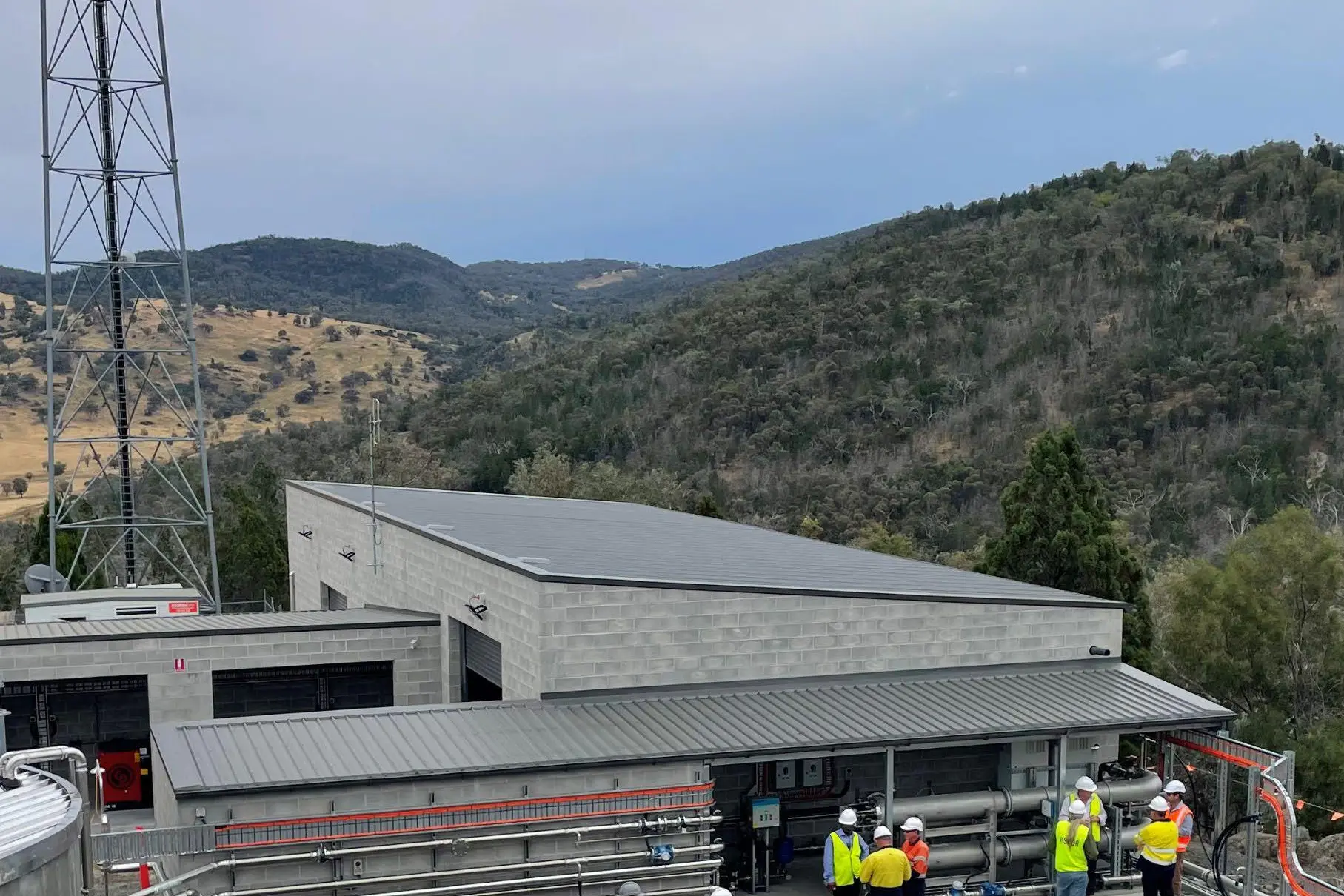
One of the largest challenges outlined in the strategy is the ageing Cowra Water Treatment Plant.
The facility requires ongoing improvements to ensure it continues meeting NSW Environment Protection Authority requirements, maintain reliable treatment processes and meet future drinking water standards.
The draft strategy identifies the eventual replacement of the treatment plant, along with associated intake, pumping and rising main infrastructure, as a major future project estimated at approximately $96 million in 2024 dollar terms.
The replacement is currently anticipated to occur between 2047 and 2049.
Council has noted it does not intend to introduce major above CPI price increases solely to fund the future project at this stage, with further investigations, funding opportunities and potential cost saving measures still to be explored.
Cr Kiss said the strategy would also be critical in helping Council secure future government funding.
“The fact is that water and sewerage price increases are predicted, and they are expected to be greater than CPI,” she said.
“So grant funds will be needed to provide for renewed infrastructure.
“We do need this sort of comprehensive document in order to be able to apply for future grants for those needs.”
The strategy also examines Cowra’s long term water security, including the impacts of drought.
While Cowra currently holds a Lachlan River water entitlement of 5,000 megalitres per year, the draft strategy warns severe drought conditions could significantly reduce allocations and place pressure on available supplies.
To improve resilience, Council plans to investigate additional groundwater bores around 2028–29, with potential construction of additional bores around 2034–35.
Emergency supply arrangements with Central Tablelands Water will also continue to be reviewed.
The draft strategy highlights several sewer related challenges, including reducing the risk of sewer overflows during significant rainfall events and addressing issues in unsewered areas.
Two areas identified as requiring attention are:
Dawson Drive, where septic systems are located near the Lachlan River upstream of Cowra’s raw water intake; and
Rankens Street, where smaller lots create challenges around septic system management.
West Cowra has also been identified as a major future investment area, with pressure sewer systems, pumping stations and network upgrades required to support planned development.
The draft strategy estimates West Cowra sewer works could cost approximately $44 million.
The financial modelling behind the preferred strategy relies heavily on continued government support, with Council assuming approximately 50 per cent grant funding will be available for key infrastructure projects.
The strategy estimates residential water charges would increase by around $35 per year for two years, reaching a stable real cost of approximately $1,070 annually before CPI adjustments.
Residential sewer charges are expected to remain relatively stable in real terms following an initial adjustment.
Mayor Paul Smith said maintaining government support would be critical to keeping costs manageable for residents.
“One of the crucial things is that we continue to lobby for continuation of government funding for the water and sewerage capital works,” Cr Smith said.
“All the figures we’ve modelled are based on a 50 per cent subsidy, and we have to make sure the government doesn’t pull the pin on that.”
Cr Smith said water remained an essential service that required significant ongoing investment.
Councillor Tony Horton said the strategy demonstrated the significant responsibility carried by regional councils when managing water utilities.
“Smaller councils, regional councils have a huge amount of responsibility,” Cr Horton said.
“One of those is that we’re the local water utility.
"We have to maintain our water facilities, whether that’s the treatment plant or the sewer treatment plant.
“Reports like this provide governments at the state and federal level confidence that we actually know what we do and we can manage these utilities and these plants.
“We just need some help in terms of funding.”
Councillor Ruth Fagan said planning for future water and sewer infrastructure had been discussed by Council for decades and highlighted the importance of preparing financially.
“This is a long term financial plan,” Cr Fagan said.
“We have to put it in our finances to make sure we actually have that money in the future, and also to make sure that we don’t have to keep going back to ratepayers again and again.”
Cr Fagan said many residents did not realise the complexity and cost involved in maintaining essential water and sewer services.
“People don’t think about it when they turn the tap off and flush the toilet, but it is actually a very expensive thing to do,” she said.
“We have to maintain those services and make sure we don’t have blockages or spills or problems.”
Council will now seek community feedback on the draft IWCM Strategy before considering submissions later this year.
Residents will have the opportunity to provide feedback and comment on the proposed 30 year plan before it is finalised.