
PHOTO
76455.0
Almost 1,000 Aboriginal land claims connected to Cowra remain unresolved as the NSW Aboriginal Land Council warns proposed changes to Crown land laws could have significant consequences for communities across the Wiradjuri region.
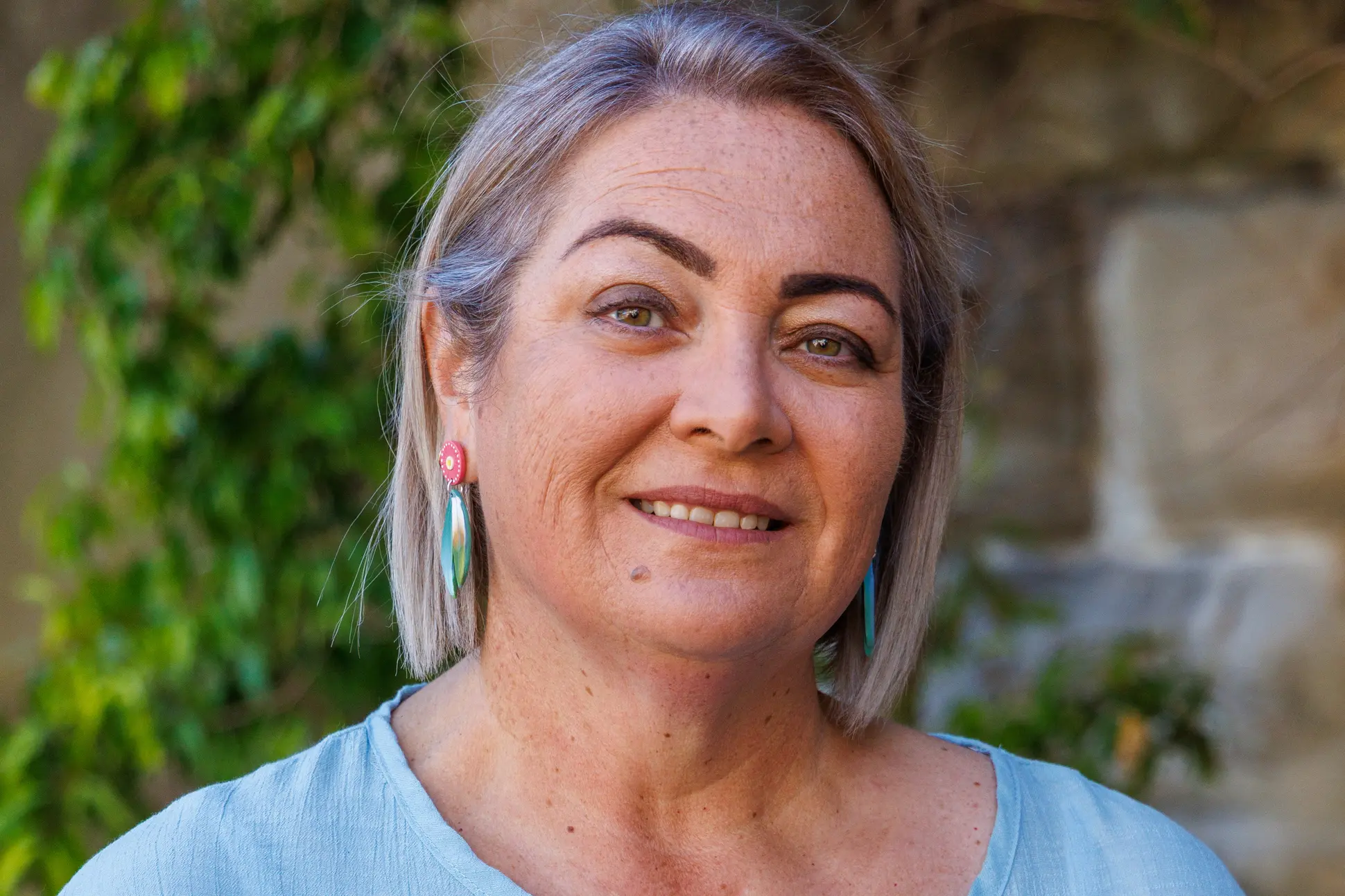
NSW Aboriginal Land Council Deputy Chairperson Leeanne Hampton has raised concerns about the Crown Land Management Amendment Bill 2026, as Aboriginal leaders gathered in Wagga Wagga for the NSWALC Regional Forum on 25 and 26 August.
For Cowra, the debate comes against the backdrop of a substantial backlog of unresolved Aboriginal land claims.
Deputy Hampton said the Wiradjuri Region's 21 Local Aboriginal Land Councils currently had 12,159 undetermined land claims between them.
Of those, 946 belonged to Cowra Local Aboriginal Land Council.
"Regrettably, a number of these land claims were submitted more than nine years ago," Deputy Hampton said.
"These stagnant land claims have put a barrier in place for our Communities; a barrier against justice, better outcomes, resources, cultural connection, and custodianship.
"These near decade long land claim determinations are hindering the upholding of the Aboriginal Land Rights Act of 1983," she said.
"This legislation enforced a system that allowed Local Aboriginal Land Councils and Communities to claim and regain ownership of Crown Land as a form of compensation for historical dispossession, but when I look around at the current state of Land Rights in NSW, I'm not seeing the Aboriginal Land Rights Act enforced."
Deputy Hampton warned NSWALC believed the legislation, if passed in its current form, could fundamentally change Aboriginal Land Rights in NSW.
"This legislation, if passed in its current form, will see a total overhaul of Aboriginal Land Rights across the state," she said.
"If passed, the Crown Land Management Amendment Bill would dismantle over four decades of advocacy, threatening the very existence of Land Rights for future Aboriginal generations."
Deputy Hampton said the scale of the existing backlog meant the issue was particularly relevant to communities throughout the Wiradjuri region.
"Considering the more than 12,000 plus unresolved land claims in the Wiradjuri Region and the 900-plus in Cowra, the potential impact on the community would be damaging," she said.
NSWALC is also concerned about additional powers the proposed legislation would provide to the responsible minister.
"Essentially, the passing of the Bill could see the NSW Government gaining more power, whilst also taking on less accountability and responsibility," she said.
For communities such as Cowra, Deputy Hampton said the significance of resolving land claims went well beyond the transfer of land ownership.
Stronger Aboriginal land rights could support economic development and employment while providing opportunities for communities to manage Country according to their own priorities.
"The legal ownership of land can drive economic independence and better employment opportunities, improve the health and wellbeing outcomes of the Communities, and ensure culturally informed and sustainable environmental management," Deputy Hampton said.
"Another significant impact of Aboriginal land ownership is that it provides Communities with the opportunity to care for Country."
NSWALC's concerns also extend to the process through which the legislation was developed.
Deputy Hampton said Aboriginal organisations and communities had not been consulted before the Bill was introduced to Parliament.
"Furthermore, it is important to note that the Crown Land Management Bill was introduced to Parliament without any prior consultation with Aboriginal bodies or communities," she said.
"These actions speak to a much bigger picture: Aboriginal people are constantly excluded from the decision-making table."
Deputy Hampton said NSWALC wanted concerns about ministerial powers, government accountability, protections for unresolved and future claims and the potential transfer of risks to Local Aboriginal Land Councils addressed.
"We have become almost accustomed to our needs, voices, goals, and unique experiences being in no way reflected in government legislation and decisions," she said.
"This can no longer continue."