
PHOTO
78410.0
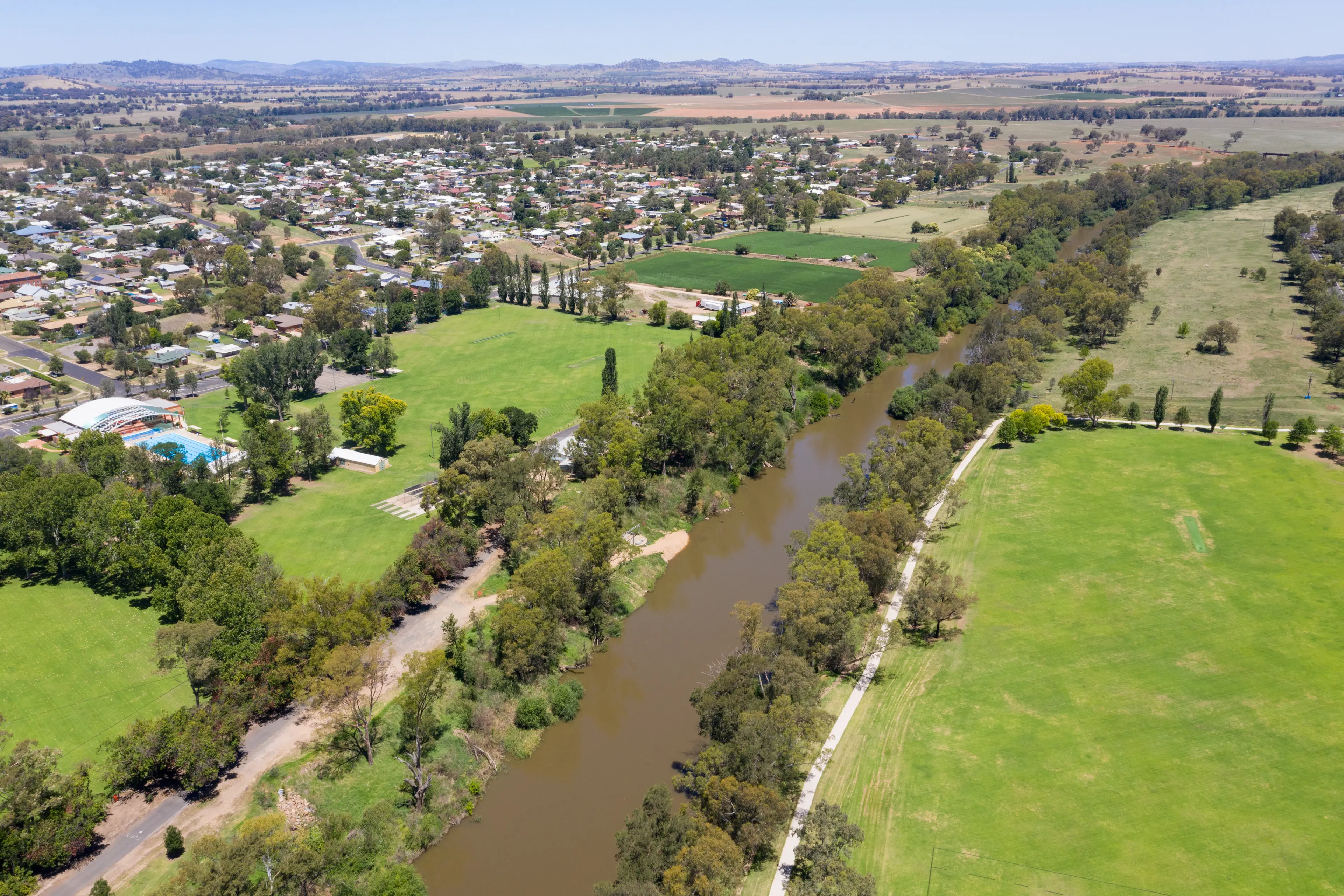
With Cowra’s pool closed and warmer weather approaching, residents looking to the Lachlan River to cool off are being urged to remember that familiar swimming spots can carry hidden and constantly changing dangers.
NSW SES Cowra Unit Commander Ray Johnston expects use of the river to increase as temperatures rise, particularly while the community is without its usual public swimming facility.
“I think that is a definite,” Mr Johnston said.
“There always has been a lot of people utilising the river even when the pool was open, and I think that’s going to be increased.”
While the Lachlan River has long been a popular place for locals during warmer weather, Mr Johnston said one of its greatest risks was what swimmers could not see beneath the surface.
Flooding and periods of higher river levels can move branches, sections of trees and other debris downstream, where they can become caught on rocks or other objects and remain submerged.
“The biggest problem that we have is unknown snags,” he said.
“Given that we’ve had some flooding over the years, and even just recently when the river was up, there were quite a lot of branches and parts of trees floating down the river.
“Some of them get caught on rocks and stuff, and they’re submerged, so you’re not going to be able to actually see them.”
Moving sand beneath the water presents another hazard, particularly when combined with a strong current.
Mr Johnston said even confident swimmers could find themselves in difficulty if they underestimated how quickly the river was moving or lost their footing.
“They probably will struggle judging the current flow,” he said.
“At the moment, the dam is letting out about 1000 megalitres an hour of water, and that does flow fairly fast.
“It’s very easy, especially if you get caught in the soft sand, that you could end up getting carried away.”
Unlike a swimming pool, where the depth and conditions are relatively predictable, a river environment can change.
Mr Johnston said people considering entering the water should take time to observe its movement and look for signs that could indicate a submerged obstacle.
“The main thing would be to look for any eddies where the water is swirling, or either turning around on itself like a whirlpool,” he said.
“If it’s even overflowing, like a wave at the beach where it is actually flowing over itself, that’s an indication that there could be something under the water that you can’t see.”
Extra care is particularly important when children are involved.
Mr Johnston said children should never be left unattended around the river, even if an adult is watching from the bank.
“They should never leave them alone,” he said.
“They should always be there with them.
"Just sitting on the side of the river is okay, but they need to be prepared to actually get into the water if they have to.”
Jumping and diving into the Lachlan also carries considerable risk because it can be difficult to accurately judge depth or identify objects hidden beneath the surface.
Mr Johnston highlighted jumping from Cowra’s low level bridge as a particular concern.
“People misjudge the depth of the water, so they might think that it’s deep enough to jump into,” he said.
“But if they dive in, they could end up with a head injury or knock themselves out, which can happen in rivers.”
A person who becomes unconscious after striking their head is then exposed to the current and other hazards beneath the water, potentially turning a single misjudgement into a serious emergency.
The risks also extend to people attempting to rescue someone who has found themselves in trouble.
Mr Johnston said bystanders should not enter a situation that could result in them also needing to be rescued.
“If they think that they can reach them, then give that a try, but don’t put their own life at risk,” he said.
“If they do feel that there’s a problem, then they should ring Triple Zero straight away.”
That message could become increasingly important as Cowra moves towards summer.
With the pool unavailable, the river may provide an appealing alternative on hot days, but Mr Johnston stressed it should not be treated like a controlled swimming environment.
Snags can move, sand can shift and currents can be stronger than they appear from the bank.
Even locations residents have visited many times before may not necessarily be the same beneath the surface following higher river levels.
For Mr Johnston, enjoying the water safely comes down to maintaining awareness of those changing conditions.
“Be mindful of the river; it does flow fast,” he said.
“Stay cool, but also be very mindful of where you are in the water.”
With temperatures beginning to climb, the message from the Cowra SES is not that residents cannot enjoy the river, but that familiarity should never lead to complacency.
Watching the water before entering, avoiding jumping or diving, keeping children constantly supervised and knowing when to call for emergency assistance could make all the difference during the warmer months.