
PHOTO
75826.0
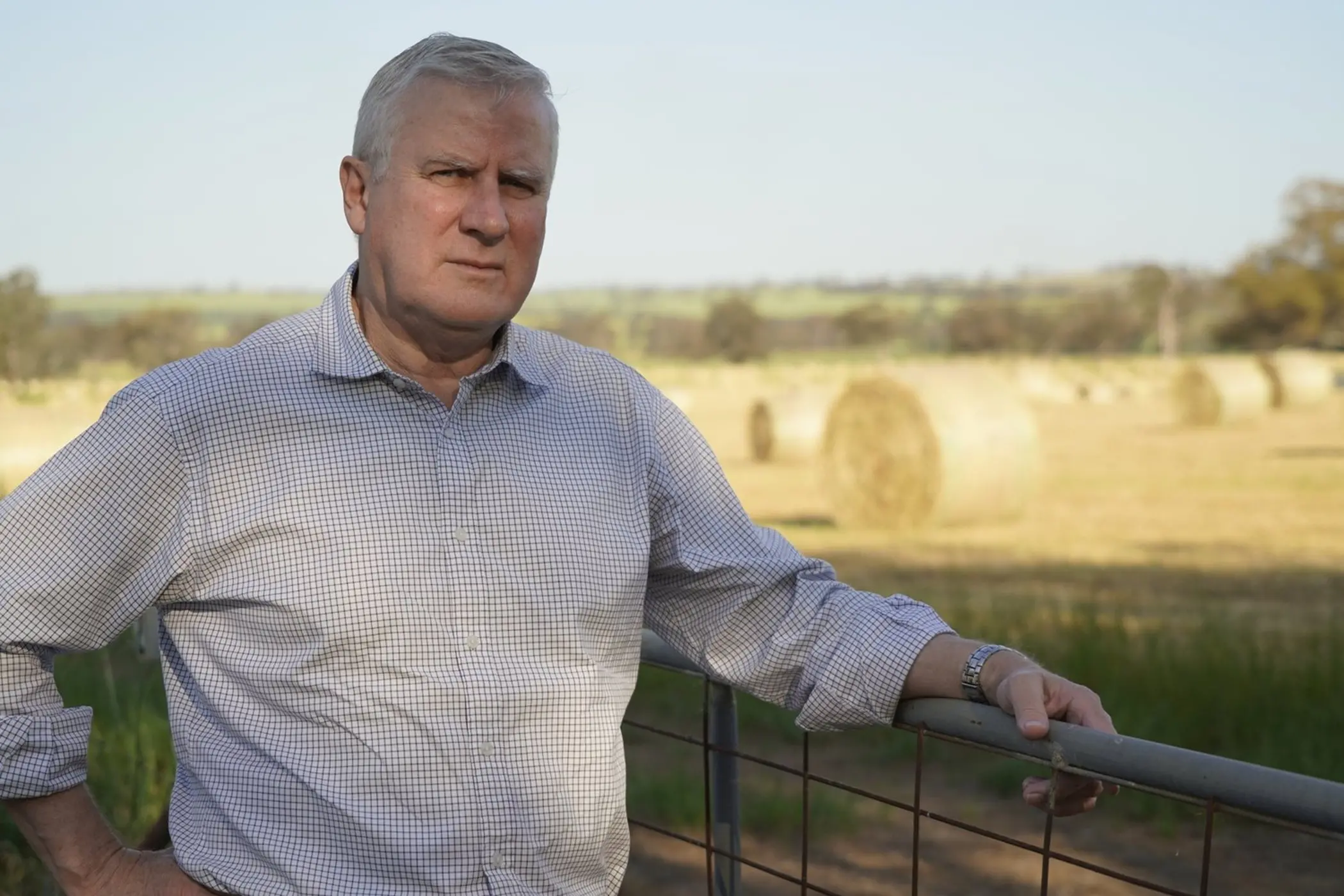
New gambling reform legislation targeting gambling advertising has been a long time coming according to Member for the Riverina Michael McCormack who said it was a legacy left by the late Peta Murphy who led an inquiry into gambling in 2023.
"It is a shame that it took as long as it did to get to what the late Peta Murphy fought for," he said.
"She led a campaign in relation to gambling until her death in 2023.
"It was her legacy and also her parliamentary life's work.
"She was adamant that there needed to be much stronger reforms as far as gambling was concerned."
The Interactive Gambling Amendment (Gambling Reform) Bill 2026 passed both houses of the Australian parliament on 19 August, and is aimed at reducing wagering advertising across television, radio and online and minimising children’s exposure to gambling ads.
While the bill has passed through both houses of parliament, federal member for Calare Andrew Gee has come out saying this legislation was a weak and compromised half measure against gambling.
"I’m not against gambling and enjoy the odd punt, but gambling addiction destroys lives, wrecks families, and hollows out regional communities across the Central West and Australia," he said.
The bill, which comes into effect on 1 January, includes a ban on wagering advertising content during live coverage of sports, a ban on gambling advertisements on the radio during school pick-up and drop-off times, and limiting advertisements on commercial television to no more than three times in an hour at certain times.
Also passed alongside the Gambling Reform Bill were the National Self-Exclusion Register (Cost Recovery Levy) Bill and the Interactive Gambling (Cost Recovery Levy) Bill, which aim to ensure costs associated with the opt-out register, and new restrictions on inducements and promotion of BetStop can be recovered from gambling companies.
The gambling reforms also look to help strengthen and expand the framework governing the National Self-Exclusion Register (known as BetStop), as well as prohibit online Keno and foreign matched lotteries.
Mr Gee said banning gambling advertising is the right thing to do and as elected members of parliament they are there to make life better for the people they represent, and not the bidding of gambling companies.
"We need to ban gambling advertising to spare our children, our fellow Australians and their families from the tragic, human cost of gambling addiction."
Mr Gee has called for the government to implement all 31 recommendations of the landmark Murphy report which includes a full, complete ban on online gambling advertising.
"We did it with smoking advertising, due to the harm it was causing - the same should have been done with gambling advertising to protect our kids and vulnerable Australians," he said.
The bill had general bipartisan support in the lower house, however Coalition MPs Pat Conaghan and Andrew Wallace joined the crossbench in voting against the bill. It passed the lower house 103 votes to 14.
The legislation moved to the Senate where it passed on August 19.
Minister for Communications and Minister for Sport Anika Wells said gambling addiction is a serious public health issue and the bill represents the strongest reform to reduce gambling harms in Australia’s history.
“From 1 January next year Australians will be able to sit down with their families and cheer on their favourite team without being bombarded by gambling advertising," she said.
“Our reforms will break the connection between wagering and sport, minimise children’s exposure to wagering advertising and reduce its saturation across the internet, radio and TV channels."
Mr McCormack said while he doesn't believe we need to become a nanny state, there are a lot of people, particularly young people, who get caught up in the whirlpool of gambling.
"I think what we've finally ended up with is a reasonably sensible reform, particularly with advertising on game day and game night." he said.
"I think there has been way too many ads just bombarding people's televisions.
“That is family time, when you sit down and watch a game of football on a Friday night, you don't want to get bombarded with advertising gambling inducements.”
Mr McCormack said while he thinks the reforms are good, sensible and practical, he wants to see how they will work and if more needs to be done in the future.
While he is supportive of the reform, Mr McCormack said he would hate to think they would cut out gambling completely, as people need to take responsibility for their actions as well.
Mr McCormack said the gambling industry does put back into the community, providing funding for some regional projects, as well as employing tens of thousands of people, particularly in regional racing.
If gambling is affecting you or someone you know, support is available free and confidential help can be accessed 24 hours a day by calling the National Gambling Helpline on 1800 858 858.
This is a free and confidential helpline open 24 hours a day, 7 days a week.
For free and confidential support visit the Gambling Help Online website at https://www.gamblinghelponline.org.au/ for online counselling including live chat, email support and self-help advice.
This is available to anyone affected by gambling.
BetStop – the National Self-Exclusion Register lets you exclude yourself from all Australian licensed online and phone wagering services in a single step.
You may self-exclude for a period you choose, from a minimum of 3 months up to a lifetime.
The service is free, and your personal details will be protected.