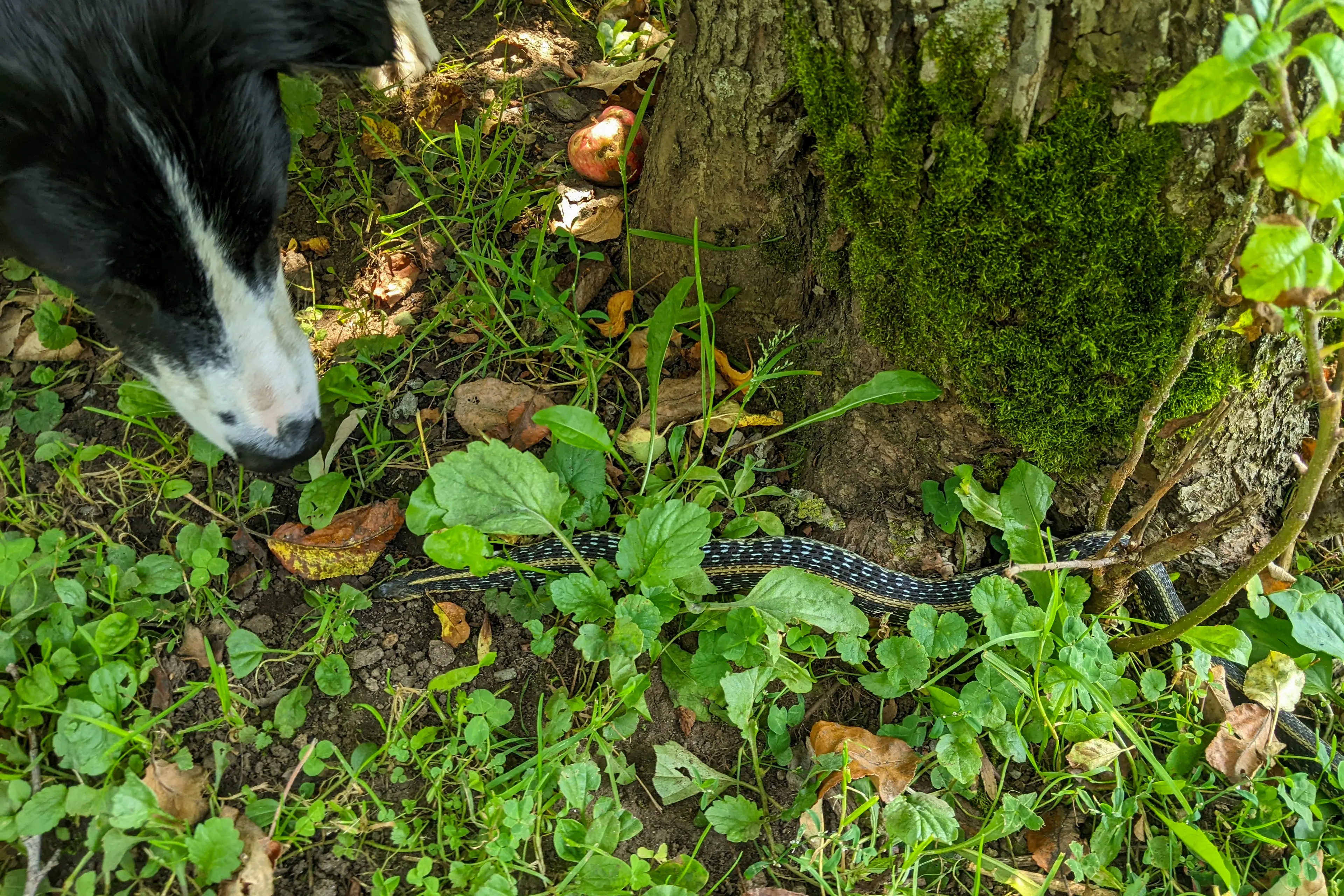
Warmer weather is bringing snakes back into activity across the Cowra district, with pet owners urged to recognise the warning signs of snakebite and seek veterinary assistance quickly. Cowra Veterinary Centre veterinarian Dr Peter Launders said snakebite cases typically increase as temperatures rise, although encounters can occur outside warmer months. “This is the time of year when we typically do start to treat snakebites,” Dr Launders said. “We haven’t given any antivenom this year, but we had a dog in that they found playing with a dead snake.” The dog remained well after being monitored, but Dr Launders warned the risk would increase as spring progressed. Last year, the clinic recorded its first snakebite case on 8 September, with antivenom treatments beginning during the first week of October. “Hot weather generally makes snakes more active,” he said. Recognising snakebite can be difficult, particularly when an encounter has not been witnessed. In dogs, early symptoms include vomiting, panting, collapse and an unsteady or “wobbly” gait. “The initial signs can include vomiting, a wobbly gait,” Dr Launders said. “Sometimes it’s hard to differentiate it from heatstroke because it can just be panting.” One of the greatest dangers is an apparent recovery phase, when dogs initially display symptoms before appearing to improve. “Particularly with dogs, they might collapse, they might vomit, they might be a bit wobbly, and then they’ll come good,” he said. “They’ve still been bitten. "They still have had enough venom to kill them, but there’s a period of time where they look like they’re okay again.” A second collapse can follow, making treatment considerably more difficult. “It’s very hard for us to save them if they’ve gone down for the second time,” Dr Launders said. “If we can get them after the initial presentation but before that second collapse comes in, then we have a much better chance.” Cats can respond differently, often deteriorating more gradually and developing progressive weakness in their hind legs. “A cat might get a bit weaker and progressively more weak in the hind legs,” he said. “We’ve had cats brought in here that can’t hold their heads up.” Treatment can require several days in hospital, including antivenom and fluids. If an owner suspects snakebite, Dr Launders said the priority should be keeping the animal calm and seeking veterinary assistance. “Just get the dog or the cat away from the snake and get them to the vet,” he said. “Try to stop the dog or the cat from running around and circulating any venom that might have been administered.” Owners should not waste valuable time identifying the snake or locating the bite. Unlike human snakebite first aid, applying compression bandages is generally impractical because bite sites can be difficult to find beneath fur. “I’ve only ever seen a bite site a couple of times in 20 years,” Dr Launders said. “Don’t worry about trying to bandage it or trying to work out where it’s been bitten. It really doesn’t matter.” There is also no need to catch or handle the snake, with the clinic's antivenom covering both brown and black snakes. Not every snakebite results in venom being injected. Dr Launders said approximately half could be “dry bites”, where the snake’s fangs penetrate without releasing venom. “Not every time that a dog has been bitten by a snake means they need antivenom,” he said. However, owners should seek veterinary assessment rather than waiting for symptoms. “We can blood test in here,” Dr Launders said. “That gives us a good indication whether or not that dog has been bitten by a snake.” Prevention around the home can also reduce encounters. Keeping grass short, particularly along fence lines, removes cover snakes may use and makes them easier to spot. “Keep the grass along your fence lines low as well,” Dr Launders said. “You can see a snake coming if it is coming, but also the snake is unlikely to come out from undercover to cross an open area.” With warmer weather ahead, pet owners are encouraged to treat suspected snake encounters seriously, keep animals calm and seek veterinary assistance promptly rather than waiting for more obvious symptoms.