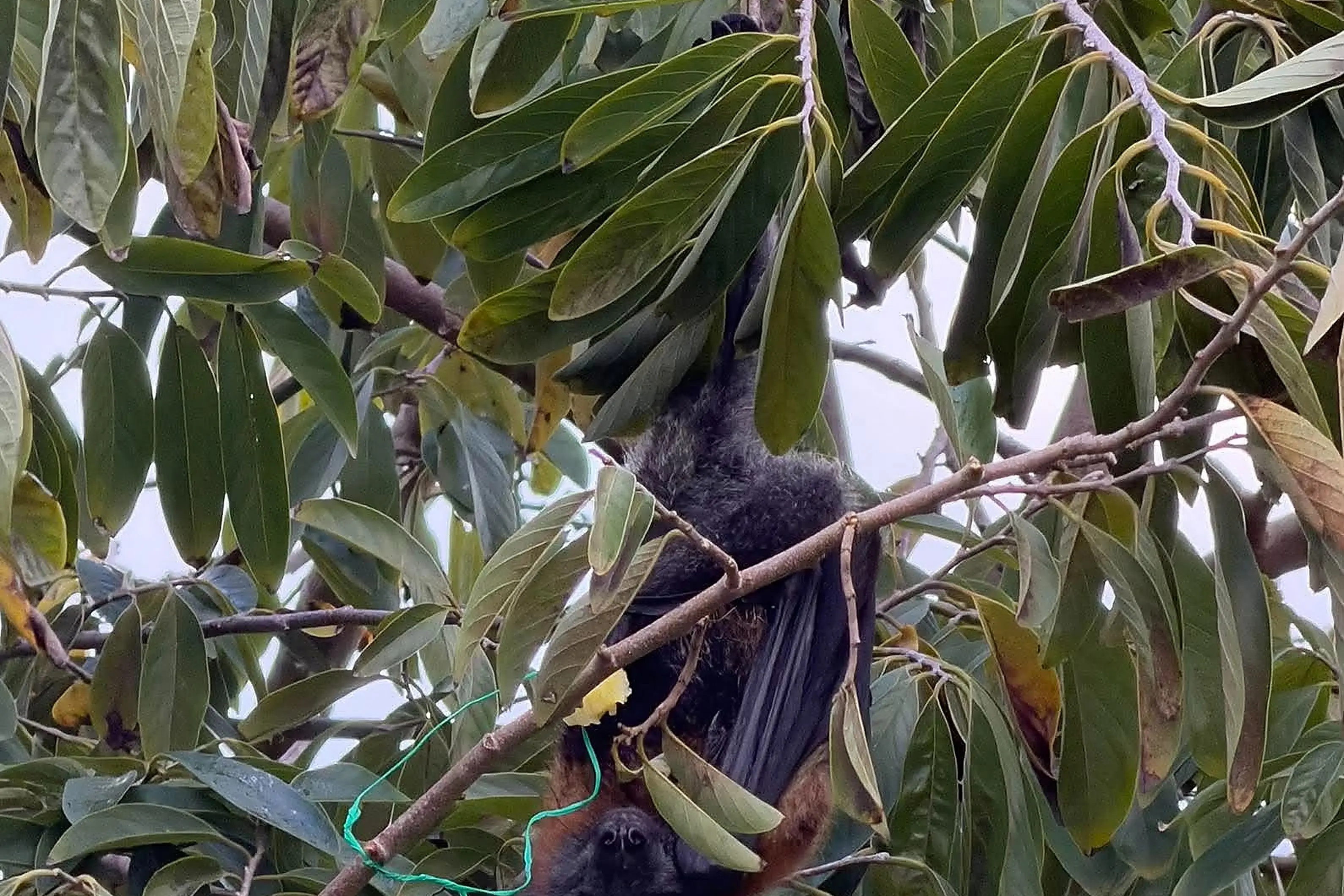
A shortage of flowering eucalyptus trees across eastern Australia is pushing flying foxes closer to towns, with signs that Cowra's local population is already feeling the effects. Mid Lachlan Landcare has reported finding four deceased adult flying foxes around Cowra, raising concerns for the welfare of the region's bats. The organisation said flying fox populations along the east coast are struggling due to a lack of eucalyptus blossom, an important food source, particularly for pregnant and lactating females. As blossom becomes scarce, bats are increasingly turning to flowering garden plants such as bottlebrushes and spending more time in urban areas. Mid Lachlan Landcare believes the bats found dead in Cowra had likely been feeding in residential gardens before attempting to roost or rest on powerlines, where electrocution is a significant risk. Local wildlife carers are monitoring the situation through regular inspections and keeping a count of deceased animals. One bat recently found on a powerline later fell onto a roadway during strong winds, highlighting the ongoing impacts of the food shortage. Residents who find deceased bats on the ground can double-bag the remains and place them in their general waste bin. However, any live bat in distress should be reported immediately to WIRES so trained wildlife rescuers can respond. Residents are also being reminded not to handle live flying foxes or attempt to remove them from powerlines. Licensed wildlife rescuer Nicole Lazarou said those wanting to help could provide supplementary fruit in a safe manner. "Either secure tubs in trees or thread fruit through wire but cover all pointy ends so they don't get snagged," Ms Lazarou said. Suitable food options include apples, pears, melons, bananas and kiwifruit. Wildlife carers are also urging caution because adult female flying foxes may be carrying dependent pups, making it important that injured or deceased animals are assessed by trained rescuers. While the recent deaths are concerning, Mid Lachlan Landcare said flying foxes remain an important part of the local ecosystem. The species plays a vital role in pollinating native vegetation and dispersing seeds across large distances, helping to maintain healthy bushland and woodland environments. The organisation is encouraging residents to remain vigilant, report bats in trouble to WIRES and help protect the animals as monitoring continues across the Cowra region.