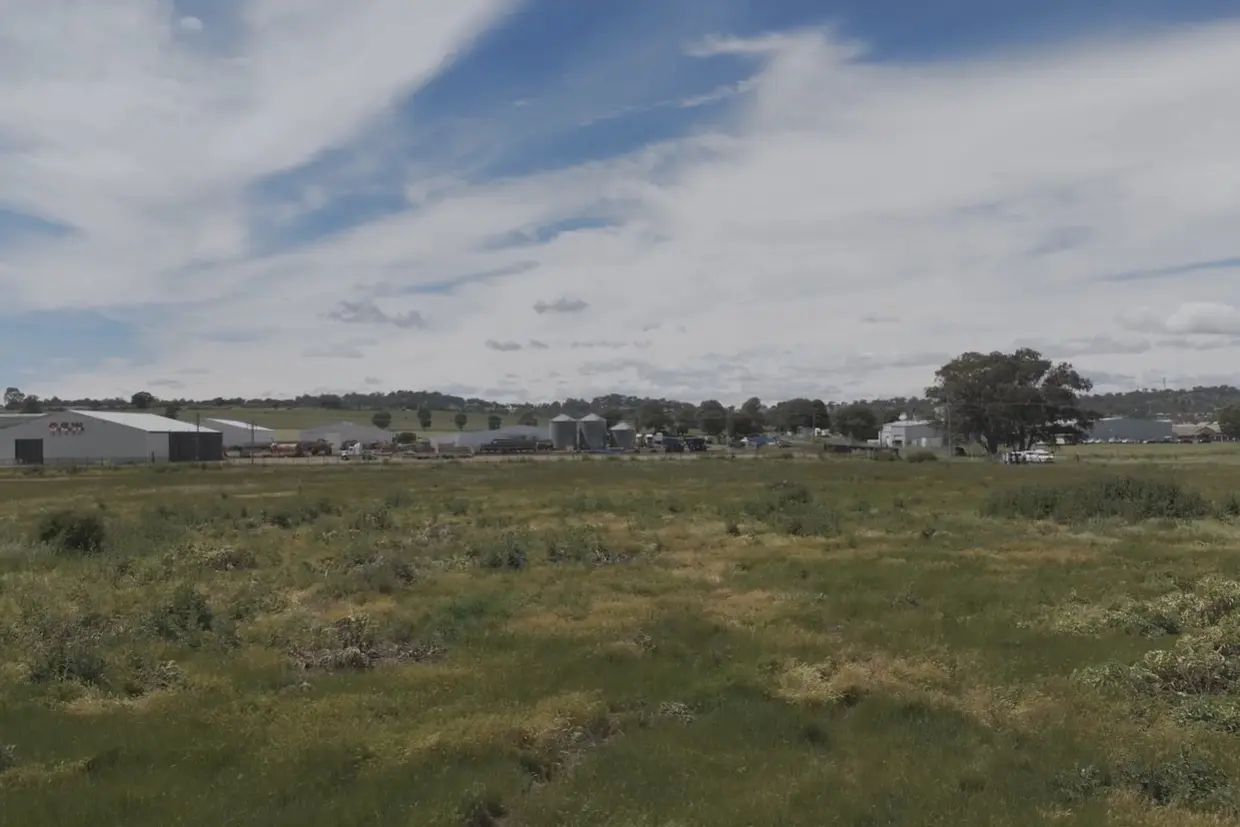
A proposed renewable gas facility in Cowra could create up to 127 construction and ongoing jobs and turn the region's agricultural waste into enough gas to match the annual consumption of approximately 13,750 households, but the multimillion-dollar project remains dependent on securing government funding. Energy infrastructure company Jemena and Clean Core Development have signed a Memorandum of Understanding to investigate the facility, which would convert locally sourced agricultural and organic waste into renewable gas for distribution through the existing gas network. The project could generate more than 275 terajoules of renewable gas annually, with plans also exploring technology that would allow surplus gas produced in Cowra to be transferred into the broader transmission network. However, despite the potential economic and environmental benefits, construction is not yet guaranteed. Jemena representative Kieran Skelton confirmed an application had been submitted to the NSW Government's Renewable Gas Production Projects Scheme, with a funding decision expected in February 2027. "There's some government funding that has been applied for," Mr Skelton said. "They're hoping to get an answer in February next year about whether or not they've been successful, and that will help fund the project." The proposed development would be located in Cowra's industrial estate, near the intersection of Glen Logan Road and Pridham Street. Mr Skelton said Cowra's agricultural industry and access to organic waste made the town particularly suitable for the project. "The abundance of feedstocks that are local there, and that's from agriculture and different organic wastes, make it an ideal location," he said. The facility would use a process known as anaerobic digestion to break down organic material, including crop residues, rejected produce, food-processing waste and abattoir waste. The resulting biogas would then be upgraded into biomethane suitable for injection into Jemena's existing gas network. Rather than relying on waste being sent to landfill or otherwise discarded, the project would provide an alternative use for agricultural by-products produced throughout the Cowra district. Mr Skelton said the region's diverse agricultural industry offered a substantial potential supply of material. "There's a really strong agricultural and food base there, and there's a diverse range of crops," he said. He pointed to food that never reaches the market, along with residue left behind after crops such as wheat and barley are harvested. "Rather than go to waste, food products like that that don't make it their final destination would be ideal to be used," he said. Waste from abattoirs could also be used as a feedstock. While the project could create another use for agricultural waste, details about supply agreements, payments to farmers and the amount of material required have not yet been confirmed in the information provided. The proposal estimates up to 103 jobs during construction and another 24 ongoing positions once the facility becomes operational. Mr Skelton said employing Cowra residents would be a priority wherever the necessary skills were available. "I would suggest where the skills are in Cowra, that would be where most of them would go," he said. He said the project's local developer, Dylan Gower, had been motivated by the opportunity to use local resources and create employment within the community. "That was one of the sole drivers for him to use local produce, produce local gas using local people," Mr Skelton said. "Unless there was a particular skill set that wasn't there, that would be the priority that locals would be able to work there." However, the employment figures remain projections rather than confirmed jobs, with the project's progression still subject to funding and further development. Preliminary front-end engineering design work has already been undertaken to assess the project's viability. If funding is secured in February, Mr Skelton said construction could take place over the following two years. Mr Skelton said ongoing maintenance employment could begin from mid-2028, with renewable gas expected to enter the network in early 2029. "Most of the construction work will be over the next two years, come February, if it's successful," he said. The proposed timeline would depend on the project receiving the necessary funding and progressing through its remaining development stages. Questions also remain about potential impacts on surrounding properties. Mr Skelton said initial assessments may have been undertaken by the developer but could not confirm their status or findings. "Perhaps the project director is a little bit more able to answer that because Jemena hasn't done them because we're just the utility that will be supplying and distributing the gas," he said. The development would also explore the possibility of transferring surplus renewable gas from Cowra into the wider transmission network through reverse compression. The technology is already used overseas but is understood not to have previously been implemented in NSW or regional Australia. If successful, it could allow gas produced from Cowra's agricultural waste to be used beyond the local distribution network. Mr Skelton said another potential advantage was that renewable biomethane could be used through existing gas infrastructure without requiring households and businesses to replace compatible gas appliances. "It's using an organic renewable gas, and the other advantage is that it can be used with existing infrastructure, and people can use their existing appliances, so they don't have to go and buy new appliances," he said. "It's a drop in fuel, and that saves everyone money and not having to refit." However, the projected output of 275 terajoules does not mean Cowra households would automatically receive cheaper gas or that the equivalent of 13,750 homes would be supplied directly. No confirmed household bill savings or local gas pricing arrangements were provided. The project remains at an early stage, with its proposed employment, gas production and construction timeline dependent on further investment and development. For Cowra, the next major milestone will be the expected government funding decision in February 2027, which could determine whether the proposal moves closer to construction or remains on the drawing board.