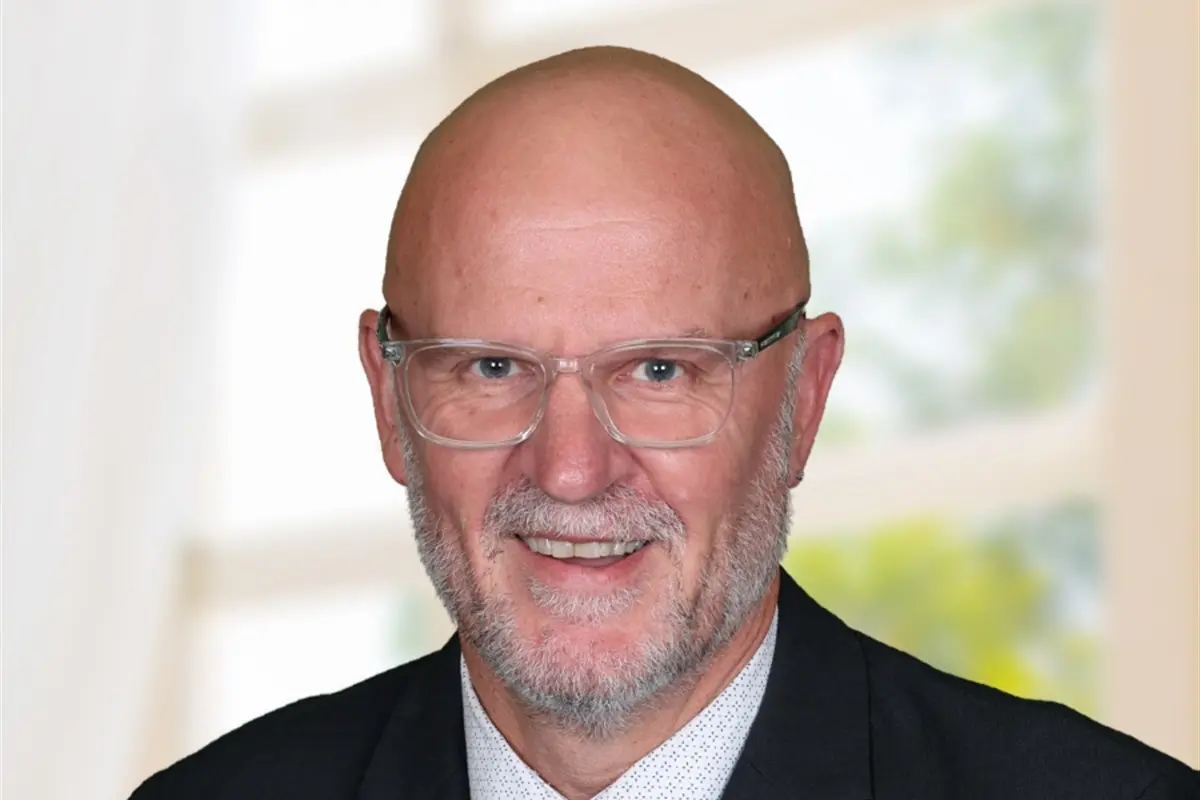
Growing administrative demands are already discouraging people from volunteering in community sport, with a Cowra councillor warning that proposed changes to local government conduct rules could place further pressure on those giving their time to support local organisations. Cowra Shire Councillor Tony Horton has questioned whether unpaid council committee members should be subject to the same conduct framework as paid council employees, raising concerns that the approach could discourage community participation. His warning came as Council considered the NSW Government's proposed overhaul of the Model Code of Conduct at its September 28 meeting. "It just strikes me as odd to treat someone who's giving of their time in the same way as you would a paid staff," Cr Horton said. "I think, understandably, there's different expectations there, and I would not want to see people balking at the idea of volunteering their time." Cr Horton pointed to previous discussions within Council's Sport and Recreation Committee, where the growing requirements placed on volunteers had already been identified as a challenge for community organisations. He said people willing to help with children's sporting activities and coaching were increasingly being confronted with administrative expectations, qualifications and approval processes. "One of the challenges with getting volunteers for kids' sporting events, for coaching, and all that kind of stuff, is the expectations now," he said. Cr Horton argued that the growing number of requirements could discourage people who would otherwise be willing to contribute their time. His concerns come as the NSW Office of Local Government consults on changes that would separate the existing statewide Model Code of Conduct into two distinct frameworks. One code would apply to elected councillors, while the other would cover council staff, delegates and committee members. The proposed separation is intended to recognise the different powers and responsibilities of elected representatives compared with other council officials. However, the decision to group paid employees and committee members under the same code has raised questions about how the framework would operate for people serving in unpaid positions. Cowra Shire Council currently has three separate conduct codes, adopted in 2019, covering councillors, council staff and council committees and their members. Under the proposed statewide arrangements, staff and committee members would be covered by a combined code. Council's report acknowledged uncertainty about whether it would retain the ability to maintain separate codes for employees and committee members. "Whilst not a significant matter, it is presently unclear whether Council would retain the option of maintaining separate adopted codes for Council staff and for committees and committee members," the report stated. "Clarification of this issue will be sought from OLG through the consultation process." The uncertainty raises questions about whether the proposed framework would adequately recognise the different circumstances of paid council employees and volunteers serving on council committees. Cr Horton said those differences should be considered before the changes were finalised. He acknowledged that the issue required further discussion but maintained that placing both groups under the same framework appeared unusual. The draft code includes provisions governing conflicts of interest, bullying, harassment, gifts and benefits, confidential information and the appropriate use of council resources. It also contains disclosure requirements for certain designated officials, although not every provision would apply identically to all committee members. The Office of Local Government has indicated that the proposed code largely retains existing conduct obligations in a simplified format, rather than introducing an entirely new set of requirements. The reforms are intended to strengthen and clarify accountability arrangements across NSW councils. However, the discussion in Cowra highlighted the need to balance those expectations against the practical realities of community volunteering. While Cr Horton raised concerns about the treatment of volunteers, Councillor Erin Watt supported the broader decision to separate the conduct rules for elected representatives from those covering council employees and committee members. "I think this is, in fact, actually a good change in separating the code of conduct for councillors and the code of conduct for staff and committee members," Cr Watt said. She argued that elected councillors and other council officials exercised different powers and had different responsibilities when dealing with the public and one another. "There is quite a different responsibility in those two elements, and quite a difference in the power held by those two places," she said. "And we are expected to act very differently in how we engage with the community and how we engage with each other." Her comments reflected support for distinguishing the responsibilities of elected councillors from those of other council officials, while Cr Horton's concerns focused on the separate issue of how unpaid committee members would be treated. Council's 28 September report recommended noting the proposed changes, inviting councillor feedback and circulating the draft code to staff for comment. The motion passed according to the supplied meeting summary, although the discussion did not establish that Council had adopted the proposed statewide code. The NSW Office of Local Government issued its consultation circular on August 31, with submissions on the proposed arrangements closing at 5pm on October 12. The two new statewide codes are intended to be prescribed at the same time, although a commencement date was not established in the material presented to Council. While the proposed framework specifically concerns council officials and committee members, Cr Horton's broader concerns about volunteering highlight the pressures already facing community sporting organisations. There is no evidence in the material presented that the proposed conduct code has caused volunteers to leave, nor that ordinary sporting coaches would automatically be covered by the new framework. However, Cr Horton warned that increasing expectations could make people reconsider whether they were prepared to take on unpaid community responsibilities. With local organisations relying heavily on volunteers to deliver sporting and recreational opportunities, he argued that the practical consequences of additional requirements needed careful consideration.