
PHOTO
78872.0
For Canowindra local, Pennie Scott, organic living began with a change in mindset, one built around gratitude, personal responsibility, resourcefulness and a stronger connection to where food came from.
This year’s National Organic Week Australia, held between 14-20 September, was designed to increase awareness of the benefits of organic products and farming production systems, while encouraging their wider uptake across Australian communities and the environment.
National Organic Week ambassador Costa Georgiadis said consumers wanted food they could recognise and trust.
“Buying organic products supports food safety, health, good nutrition and the environment,” he said.
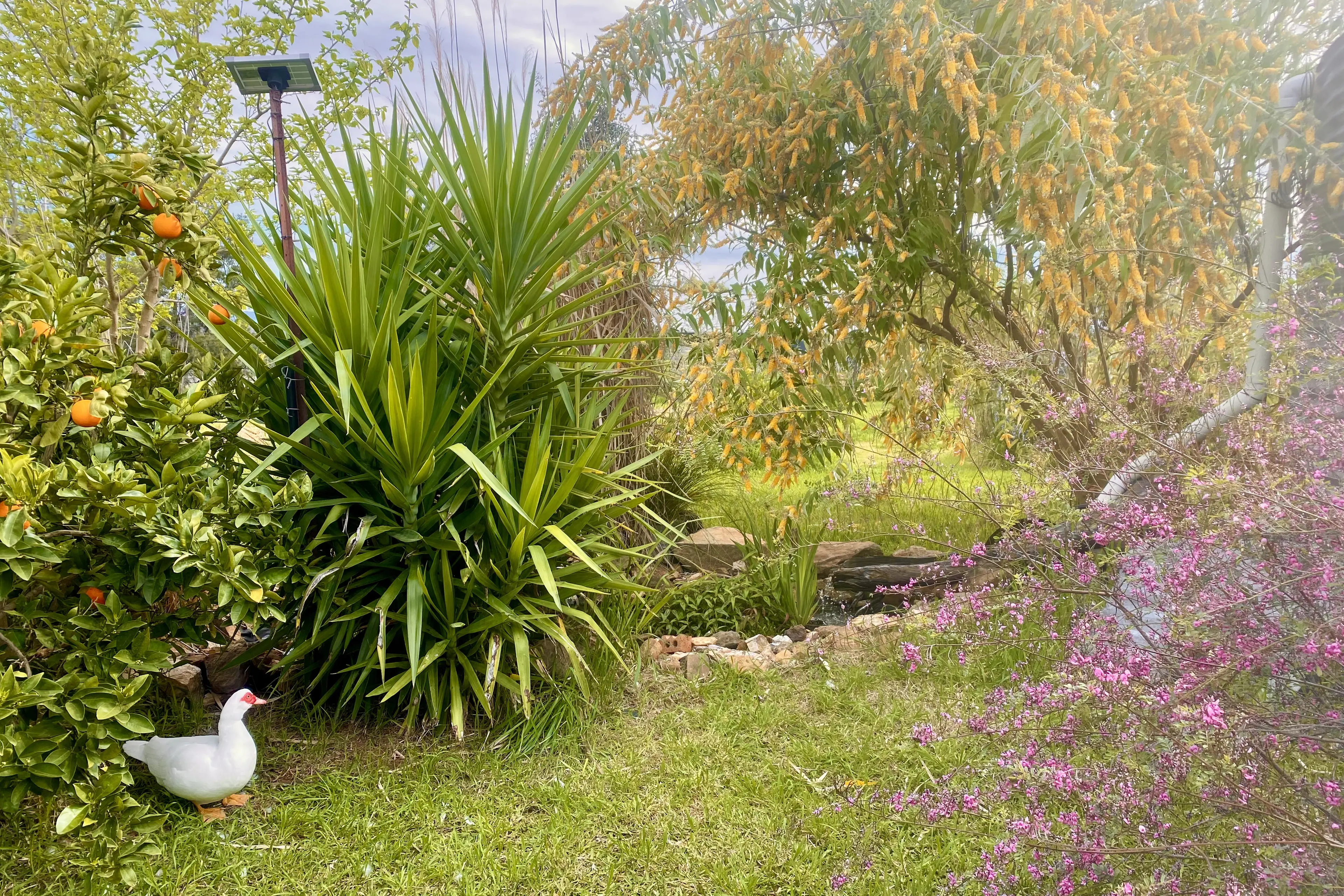
For Ms Scott, however, the philosophy could begin much closer to home, even in the backyard.
When describing her own ‘micro-farm, Ms Scott explained the importance of operating on what she called a “human scale”, with a push mower, shovel, wheelbarrow and plenty of ingenuity doing much of the work.
Her garden provided a significant amount of the food she ate, with fresh produce regularly going from soil to plate.
Ms Scott believes the benefits of growing and eating food organically were only part of the story.
“The other thing is to develop the attitude of gratitude,” she said.
It was an attitude Ms Scott believes could influence much more than an individual’s garden.
Her alternative was what she called an “abundance mentality”, looking at what there was and asking how it could be shared, increased or put to better use.
“How can we make more? How can we share it? How can we add to it?” she said.
Rather than viewing gardening as a chore or exercise regime, Ms Scott saw movement, food, sunshine, fresh air and time outdoors as interconnected parts of everyday life.
For Ms Scott, living organically was not necessarily about buying a particular range of products or immediately establishing a large vegetable garden.
It could begin by becoming more curious about food.
Ms Scott believes consumers could support organic and local producers by asking those questions and developing relationships with people they trusted.
That change in perspective could also lead people towards local food systems.
Ms Scott, who is passionate about strengthening local food networks, believes regional communities need more opportunities for consumers to connect directly with producers.
Food security was not simply about producing more food, it was also about communities becoming more connected to the people and resources around them.
Through Ms Scott’s work with the Organic Regenerative Investment Cooperative and plans for a Sustainable Local Organic Wholistic (SLOW) project, she wanted to encourage people to take greater personal responsibility for their own food security while strengthening local food hubs.
“If we don't start thinking big and bold, we get nothing done,” she said.