
PHOTO
77746.0
Cowra’s spectacular spring canola fields are attracting visitors and photographers from across the region, but those chasing the perfect golden photograph are being urged to put safety and permission first.
As canola reaches its colourful peak across the Cowra and Canowindra countryside, people are travelling through the region to experience the landscape and capture photographs but visitors are being reminded that many of the fields are private working farms.
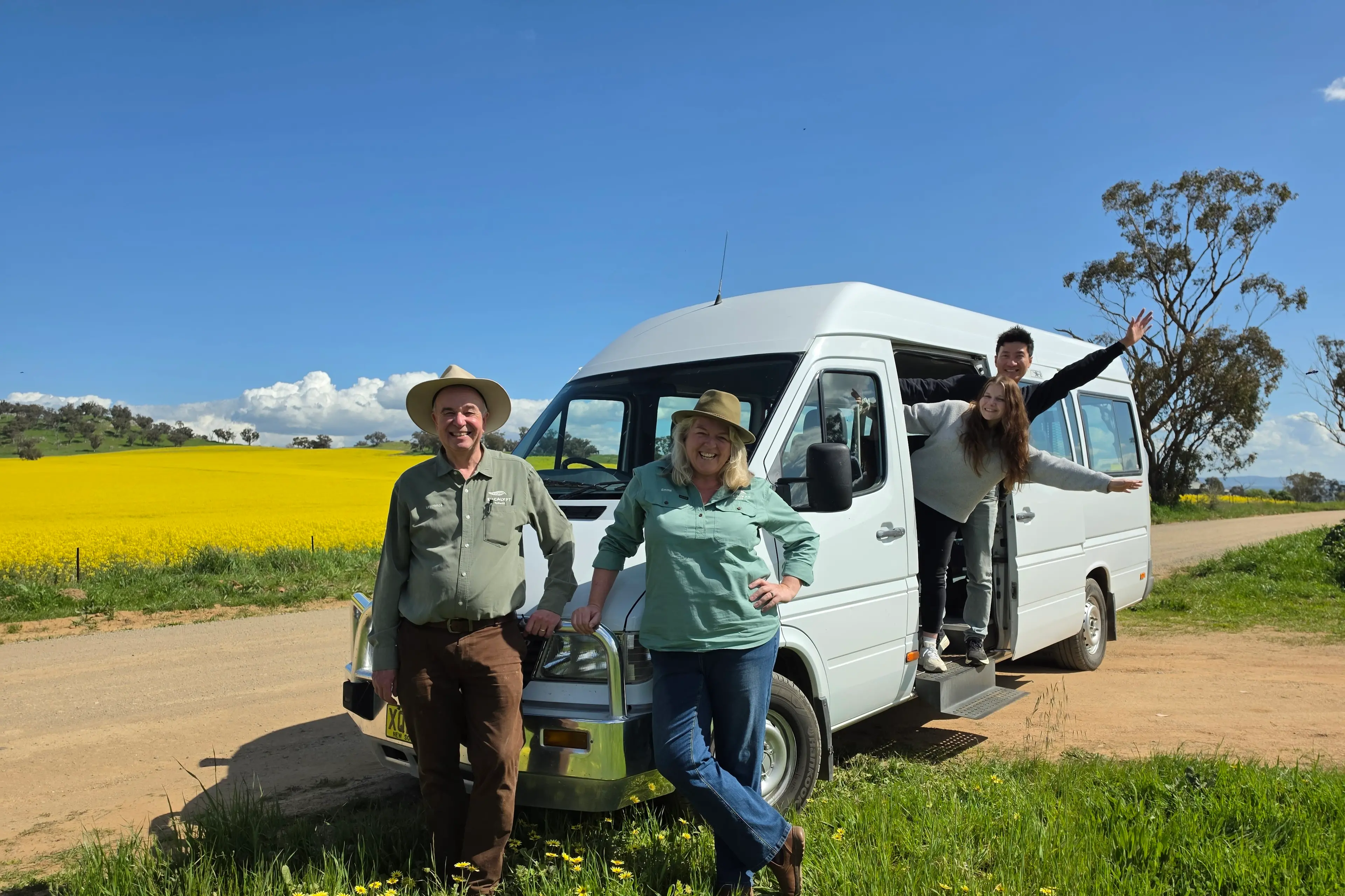
A new local business Eucalypt Tours, founded by Lawrance Ryan and Emma Millward, has started offering visitors the chance to experience the landscape from carefully selected locations, while highlighting the importance of respecting private farmland.
The crucial message for visitors is that a canola paddock is a working farm, not a public photo location.
During canola season, visitors are regularly observed entering canola paddocks without permission to take photographs.
While the bright yellow fields may look inviting, walking onto private farmland can create a range of safety and practical concerns.
Farmers may be operating machinery, moving livestock or carrying out other agricultural work that visitors cannot see from the roadside.
Unauthorised visitors can also damage crops, disturb livestock or find themselves in areas that have not been assessed as safe for public access.
“It’s people’s livelihood,” Mr Ryan said.
"We ensure that we talk to landowners regularly to ensure that we have safe access.
For farmers, the crop represents more than a picturesque backdrop.
It is a commercial agricultural crop that has required significant investment, work and planning.
Those wanting to photograph canola on private property are being encouraged to seek permission from the landholder before entering a paddock.
Some landholders are happy to accommodate photographers and visitors, including by identifying suitable areas where people can safely stop and enjoy the views.
That permission is an important part of ensuring visitors can enjoy the region while respecting the people who work the land.
One of the farmer’s working with local guides, Gary Amos, understands that there is interest in agriculture from visitors who perhaps haven’t lived a country experience.
"To us it's just an everyday thing but someone in the city doesn't get the chance to see fields growing," Mr Amos said.
"By working with the guided tours, it means I know the group will do the right thing."
There is also a practical reason for respecting access arrangements, with the flowering season relatively short and conditions in paddocks changing quickly.
A location that is suitable for a visit one day may not be appropriate the next, depending on farming activities, weather, livestock or crop conditions.
For visitors who spot an impressive canola field from the road, the temptation to simply walk through the crop for a photograph can be strong.
Instead, visitors are being urged to stay on public roads and look for suitable viewing opportunities or seek permission from the landholder before entering private property.
The advice is particularly important as more people become aware of Cowra’s canola season and travel to the region to see the fields at their colourful best.
The rural landscape around Cowra and towards Canowindra offers plenty to see, from flowering crops and grazing livestock to historic properties, waterways and sweeping countryside views.
Visitors can also gain an appreciation of the crop itself, from its small yellow flowers through to the seeds that are eventually processed to produce canola oil.
For those experiencing the canola fields at their peak, the landscape provides a greater appreciation of the region’s agricultural character.
As the golden fields continue to draw attention this spring, visitors are being reminded that the best photograph is not worth putting themselves, livestock, crops or farmers at risk.