
PHOTO
82335.0
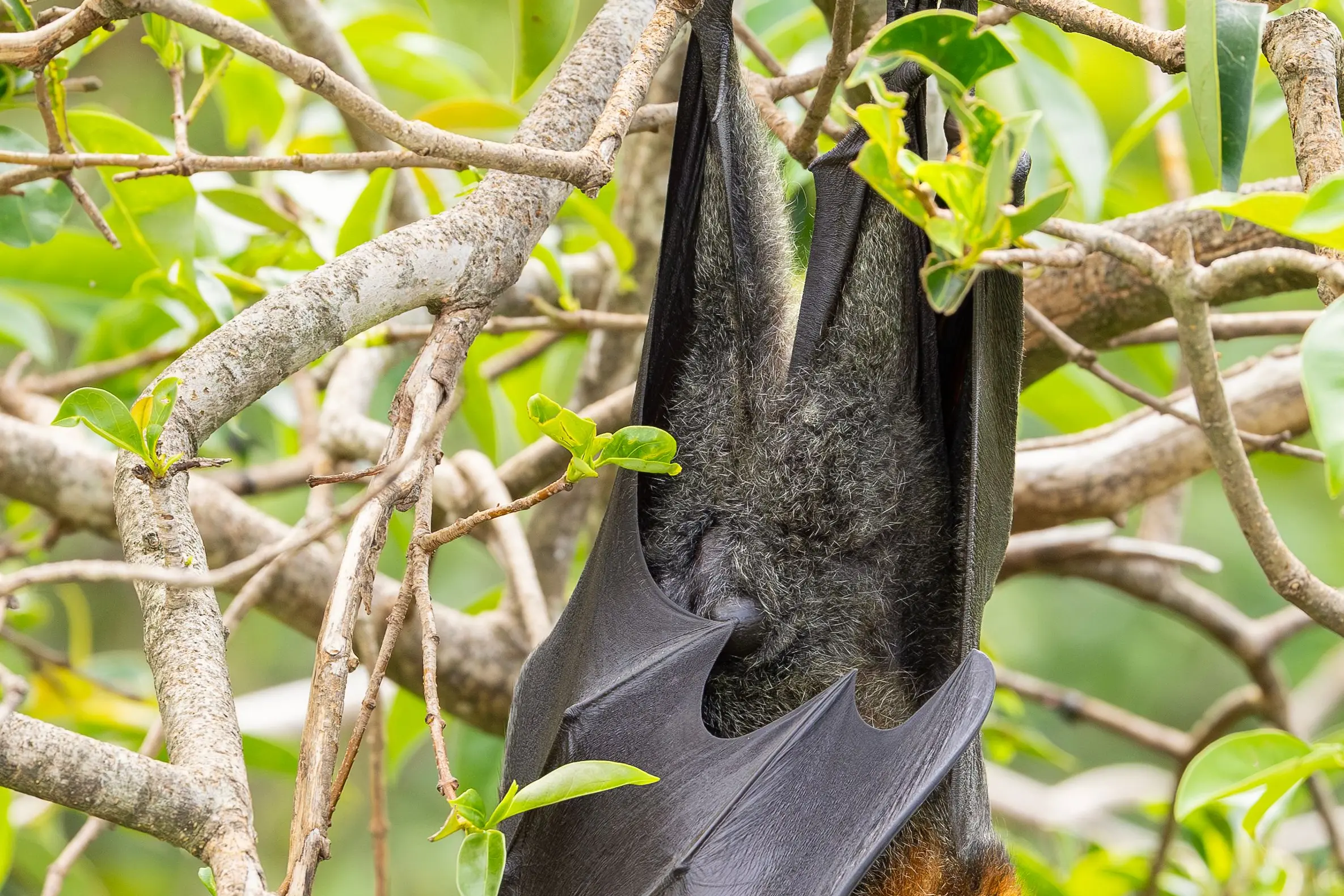
A shortage of flowering eucalyptus trees is forcing flying foxes to venture deeper into Cowra's residential areas in search of food, with several animals recently found dead after becoming caught on powerlines.
Mid Lachlan Landcare coordinator Amanda Foxon-Hill said about six flying foxes had been discovered dead in recent weeks, highlighting the pressures facing local and visiting bats as natural food sources become scarce.
Unfortunately, by the time many of the animals were found, it was too late to save any dependent young they may have been carrying.
Ms Foxon-Hill said flying foxes were being pushed into urban areas because eucalyptus flowering had been poor this year, largely due to seasonal conditions and earlier-than-usual blooming.
"They will only come into gardens when hungry and quite desperate," she said.
As native blossom becomes harder to find, flowering garden plants such as bottlebrushes and other nectar-rich species become attractive feeding sites.
The situation is particularly concerning because it coincides with flying fox pup season, when females are giving birth and caring for young.
River red gums, which line sections of the Lachlan River, are especially important at this time of year as they provide the nutritional balance pregnant and lactating females need. Poor flowering of these trees has reduced an important food source.
Flying foxes typically roost near waterways, often camping in she-oaks during the day before feeding on flowering eucalypts at night.
Ms Foxon-Hill said Cowra's flying fox colony had recently moved from its long-term roost near the golf course to a site further downstream along the river.
While the new location may prove beneficial for the colony, its more secluded position has made monitoring the population more difficult.
"From what we're seeing and hearing, our local and touring bats are having a harder time of it this year," she said.
Although conditions appear challenging, Ms Foxon-Hill said Cowra's bats may not be experiencing the same level of stress reported in some other parts of the east coast.
Despite often being viewed as a nuisance, flying foxes play a critical role in maintaining healthy ecosystems.
"They are our long-distance pollinators who, while feeding on eucalyptus blossom, carry pollen from tree to tree across distances of up to 50 kilometres per night," Ms Foxon-Hill said.
Flying foxes are considered a keystone species, meaning their loss could trigger significant declines in the health of forests and woodlands across the region.
"We view them as some of the most valuable land carers we have on our team," she said.
Mid Lachlan Landcare is working alongside WIRES and local wildlife volunteers to support the animals, with a number of trained and vaccinated carers responding to reports of injured or distressed bats across the region.
Residents are urged not to handle flying foxes themselves.
Flying foxes can carry Australian bat lyssavirus, which is transmissible through bites and scratches, while horse owners are encouraged to discuss Hendra virus vaccination and risk management with their veterinarian.
Anyone who encounters an injured or distressed flying fox should contact WIRES for assistance. In the meantime, pets and children should be kept away from the animal and shade provided if it is safe to do so.
Ms Foxon-Hill said the community should recognise both the challenges confronting flying foxes and their importance to the environment.
"Bats are beautiful, intelligent and gentle. They literally grow forests for us while we sleep thanks to their role as keystone pollinators," she said.
"They would really rather not be hanging about in our backyards, sporting venues or community parks, but they are facing a crisis and these are desperate times."
While some residents have concerns about flying foxes, Ms Foxon-Hill said those concerns should be balanced with an understanding of the vital environmental services they provide.
Flying foxes are protected wildlife and should never be harmed, with anyone finding an injured, distressed or orphaned animal encouraged to contact WIRES for advice and assistance.