
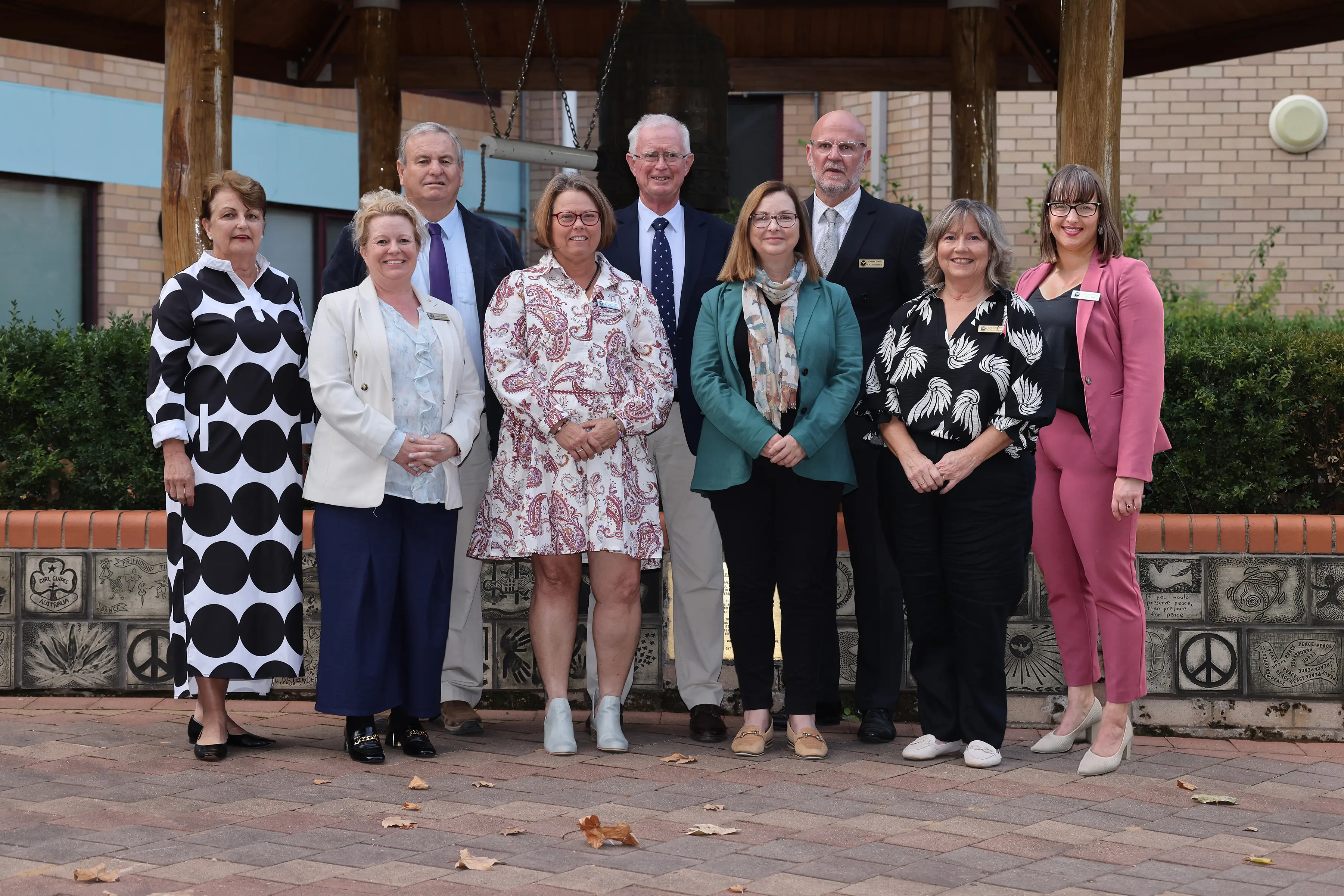
PHOTO
Councillors are set to receive a 3.7 per cent increase in remuneration from July 1 following a recommendation from the Local Government Remuneration Tribunal, with councillors endorsing the annual adjustment at this week’s council meeting.
Under the recommendation, councillor fees will rise to $19,590 per year, while the mayoral allowance will increase to $42,030 annually.
The increase follows the Local Government Remuneration Tribunal’s annual determination handed down on April 23, which awarded a 3.7 per cent increase to mayors and councillors across all categories of local government in New South Wales.
Cowra Shire Council, categorised as a “Rural Large” council, has traditionally adopted the maximum fee allowed under the tribunal’s annual range and resolved to continue that practice from July 1, 2026.
According to the report tabled at council, councillor fees will rise from $18,890 to $19,590, while the additional mayoral allowance will increase from $40,530 to $42,030.
The tribunal said the increase reflected rising living costs and broader economic pressures.
In its annual determination, the tribunal noted the increase reflected “changes in the cost of living” and expectations of continued pressures, including economic consequences flowing from conflict in the Middle East.
During debate, Deputy Mayor Councillor Nikki Kiss acknowledged the uncomfortable nature of councillors discussing their own remuneration but said the increase reflected an independent determination rather than a council decision.
“It’s always an awkward point,” Cr Kiss said.
“In one way, we all have a conflict, because it’s not very often that we give ourselves a pay rise.”
Cr Kiss stressed that councillors were not independently deciding their own salary increase but rather adopting a recommendation determined externally by the tribunal.
“This is actually asking that we support the councillor remuneration tribunal’s determination to include a 3.7 per cent increase, which is CPI,” she said.
She also acknowledged that before becoming a councillor, she had not realised elected representatives received remuneration at all and initially viewed the role as largely voluntary.
“I’m reminded of a conversation I had before I came on council, where I didn’t even realise remuneration existed,” Cr Kiss said.
“I was really quite surprised, because in a way, I thought of this more like a volunteer role.”
However, Cr Kiss said local government sat somewhere between volunteer work and paid employment, with councillors carrying significant responsibilities and expectations.
“Being a local government councillor is neither a job, but it is so much more than a volunteer expectation,” she said.
“You have greater responsibilities, you have greater responsibility to be learning and to be engaging with the community if you’re actually going to be useful to the community as their elected councillor.”
Cr Kiss said the role required substantial time, commitment and personal investment, particularly for councillors wanting to actively represent their communities.
“It takes additional time, responsibilities, the mental resources, the absolute commitment to personal learning so that you can advocate on behalf [of residents],” she said.
She also thanked the community for supporting councillor remuneration through rates, saying it allowed elected representatives to better advocate for constituents and attend community events.
“I acknowledge that it comes out of their rates,” Cr Kiss said.
“But I can say that at least for me it definitely provides me with greater opportunity to advocate on behalf of our constituents, gives me more opportunity to be on the ground, to attend functions and events that I wouldn’t otherwise be able to do.”
Councillor Tony Horton also acknowledged the unusual nature of councillors voting on remuneration affecting themselves but said the independent tribunal process removed the decision from council hands.
“This is almost the definition of a conflict of interest, really,” Cr Horton said.
“Voting on a pay rise for ourselves.”
However, he said the key distinction was that the increase had been independently determined.
“It’s important to note, of course, that this is determined by the Local Government Remuneration Tribunal, so it’s not a decision by council,” he said.
Cr Horton said few people sought election to regional councils for financial reasons, but some remuneration remained important to recognise the time and effort involved.
“I don’t think anyone would be a local government councillor in a regional council for the money,” Cr Horton said.
“You’re doing it for other reasons, altruistic reasons, but certainly some remuneration for the hours and the effort and the travel and the time away from other things is most welcome.”
Councillor Peter Wright raised concerns about what he viewed as inequities between remuneration for rural councils and metropolitan councils, arguing regional councillors often faced greater travel demands while receiving less compensation.
“I still think this is a very discriminative form of payment,” Cr Wright said.
He pointed to disparities between city and rural councils, questioning why metropolitan councillors were paid considerably more despite regional councillors frequently travelling long distances for meetings and dealing with complex service delivery challenges.
“It doesn’t take into account the time that we spend getting to meetings in various locations,” Cr Wright said.
“Whether you’re going to a joint organisation meeting or regional meetings of various things that the council are involved in.”
By contrast, Cr Wright argued metropolitan councillors often had easier access to meetings and fewer infrastructure responsibilities.
“In the city, they can just catch a cab or a train or a bus two or three blocks down there, and they’re at the meeting place,” he said.
He also questioned whether the remuneration structure accurately reflected the demands placed on rural councils, which often oversee roads, water and sewer services across large geographic areas.
Despite his concerns, Cr Wright said he supported accepting the tribunal’s recommendation.
“I’m happy for the council to adopt what’s been offered,” he said.
Mayor Paul Smith said while councillors did not enter local government for financial reward, remuneration played an important role in ensuring community members were not discouraged from standing for council.
“You would hate to think that the fact that there was no remuneration would be a barrier to someone becoming a councillor,” Mayor Smith said.
He also echoed Cr Wright’s concerns around differences between metropolitan and rural councils.
“Anyone would be embarrassed about the amount we get paid,” Mayor Smith said.
“I take Councillor Wright’s comments as well, that some of the Sydney councils get paid a hell of a lot more.”
Mayor Smith questioned whether city councils faced the same service delivery burdens as regional councils.
“They’ve got very few roads."
"They don’t do water, they don’t do sewer,” he said.
“I’m not real sure what they do do, but they certainly get plenty for it.”
The motion to adopt the tribunal’s recommended fee increase was passed by council.
From July 1, councillors will receive $19,590 annually, while the mayor will receive an additional allowance of $42,030