
PHOTO
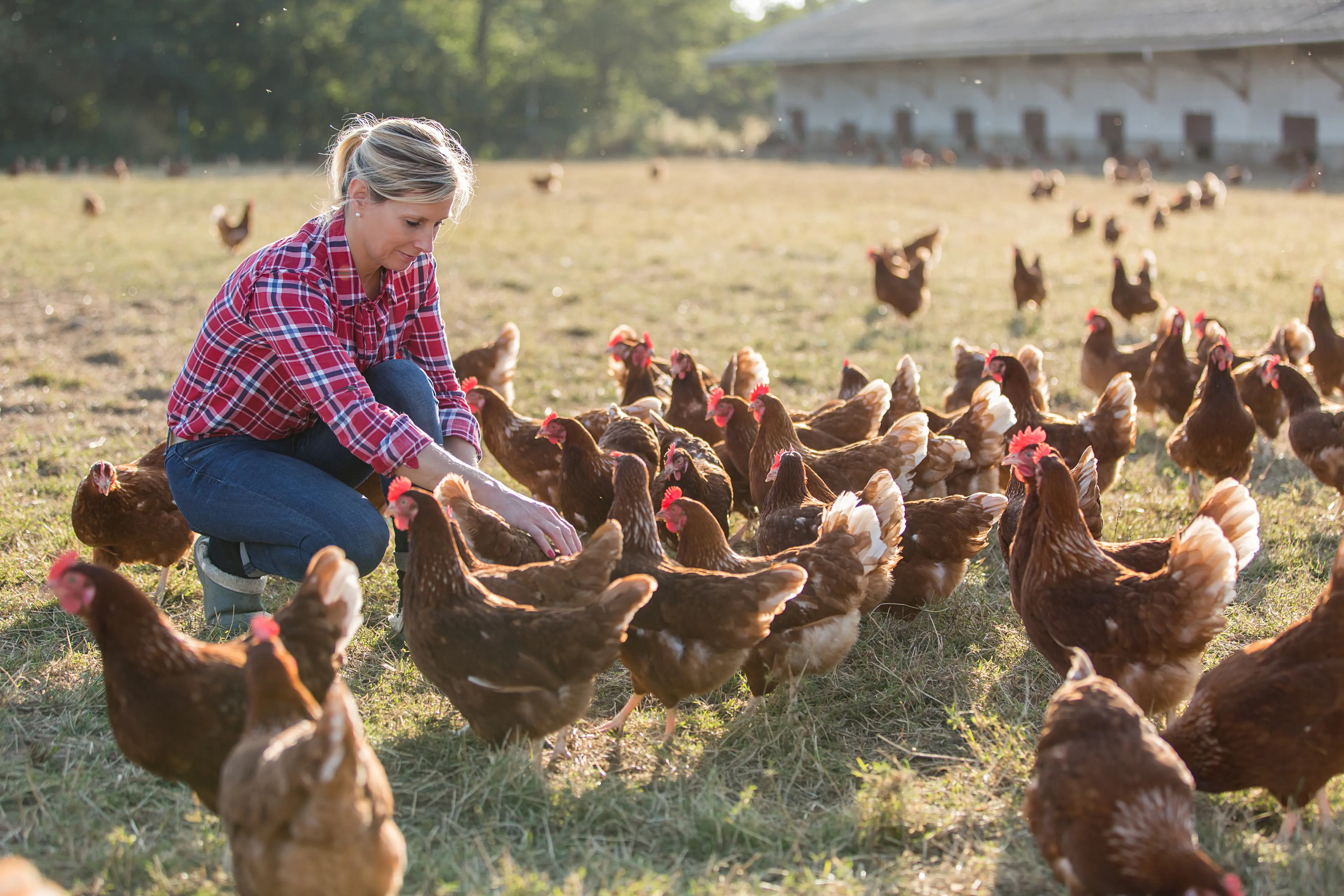
female farmer looking for eggs
The confirmed presence of the highly pathogenic H5N1 avian influenza (H5 clade 2.3.4.4b) in mainland Australia has placed poultry keepers and primary producers on alert, with early detections in wild seabirds along parts of the southern coastline raising concerns about potential spread into agricultural systems.
As of early July 2026, cases have been confirmed in wild migratory seabirds in Western Australia, South Australia, and most recently at Hawks Nest in New South Wales. While authorities stress there are currently no detections in commercial poultry or food production systems, the outbreak has triggered heightened surveillance and biosecurity preparations across the country.
The virus is known to cause severe illness and high mortality in birds, with symptoms including sudden death, respiratory distress, neurological issues, and rapid declines in egg production.
Despite reassurance from health authorities that the risk to humans remains low, regional livestock producers and poultry keepers are being urged to remain vigilant.
NSW and federal authorities have increased surveillance operations and expanded biosecurity capacity in anticipation of potential spread.
This includes additional field staffing, surveillance training programs, and public reporting systems designed to identify early outbreaks.
A NSW government spokesperson said:
“NSW Health advises that the risk to human health remains low.”
Authorities have also established dedicated response infrastructure, including call centres and coordinated wildlife monitoring across priority ecological sites.
Officials maintain that Australia is well prepared due to long-term planning and national simulation exercises conducted in recent years.
Local farmer Peter Wright said the detection of H5 bird flu represents a potentially serious risk not only to poultry production, but to broader agricultural systems that rely on stable biosecurity conditions.
He warned that if the virus becomes established in Australia, it could have significant production and economic impacts across multiple sectors.
“The biggest concern at the moment is this H5 bird flu thing that's that's been found on the in the coastal areas of Australia.”
“If that gets in, we're going to have a hell of a trouble, especially with the cost of production for poultry producers…”
He said the virus is particularly concerning because of its ability to spread through wild bird populations, which are difficult to contain or control.
“It's a very dangerous thing that that could come into Australia, we have got a lot of birds and they don't follow boundaries, they just go where they want to go…”
Mr Wright linked the situation to previous biosecurity challenges faced by other agricultural industries, including the impact of disease on bees and pollination systems.
“It's sort of repeating what happened with the bee industry and the virus that it's been in with the bees…”
He said disruptions to pollination systems could have flow-on effects for food production more broadly.
“There's even talk there, they won't have enough bees to pollinate all the vegetables and fruit and nuts that we've got in the next coming season…”
He stressed that while poultry may appear to be a small sector, its role in food production and supply chains is significant.
“It seems a little thing what it can do and what chooks can do, but it is a very large part of our industry.”
NSW agricultural and veterinary authorities continue to monitor wildlife populations closely, with expanded surveillance programs targeting early detection in both wild and domestic birds.
Officials have reiterated that Australia has been preparing for this scenario for several years, with emergency response frameworks already in place.
The focus remains on early detection, containment, and reducing the risk of transmission to commercial poultry operations.
Authorities continue to encourage members of the public and landholders to report any unusual bird deaths or signs of illness in wildlife.
Where multiple sick or dead birds are observed, the public is advised not to handle them and instead report sightings to the Emergency Animal Disease Hotline on 1800 675 888.
A national bird flu toolkit is also available through the Australian Centre for Disease Control, providing guidance for those working with birds and wildlife management sectors.